🥘The Camp EraAdam West, 1966
🎣Burton & SchumacherKeaton to Clooney, 1989–97
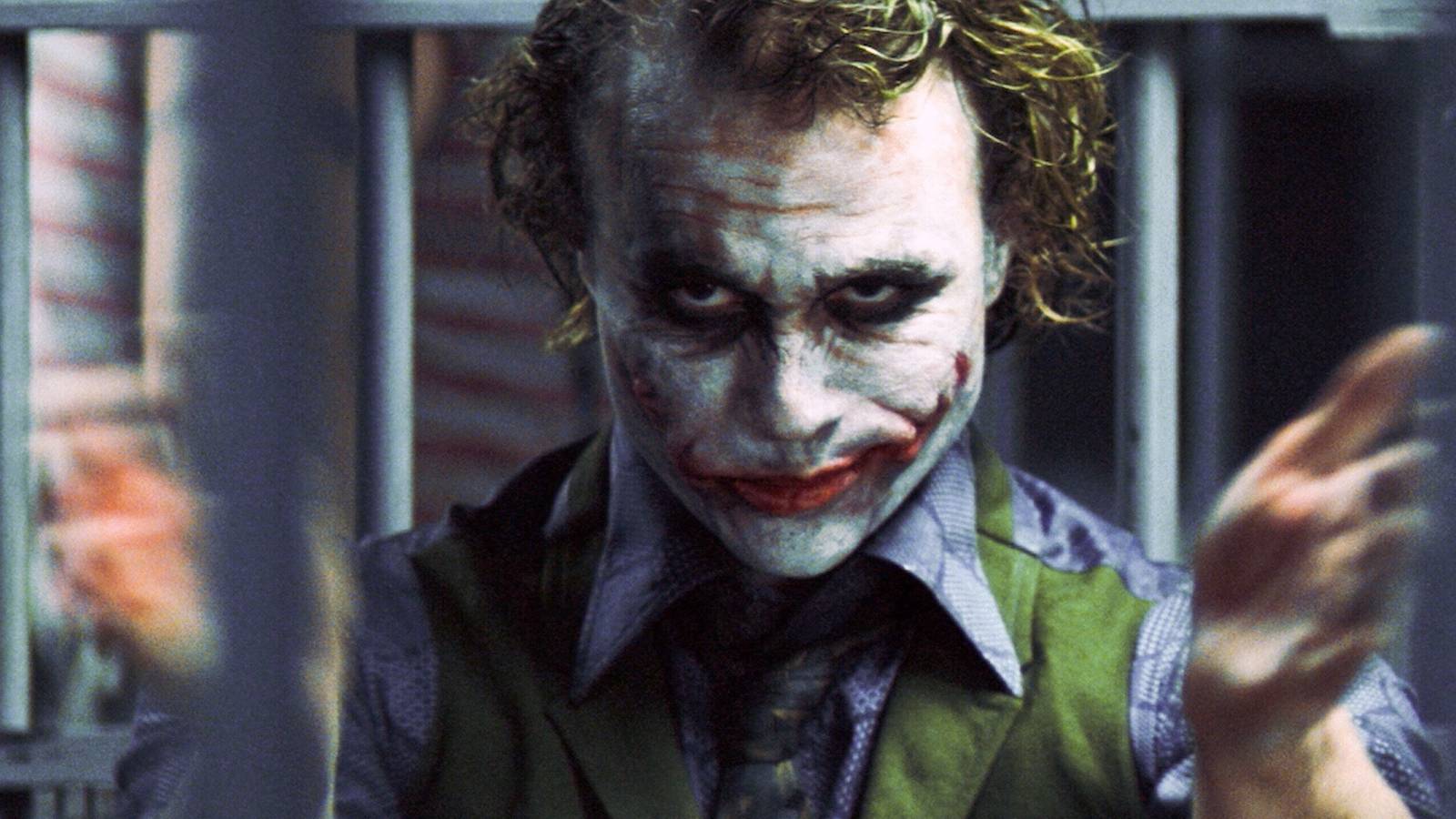
💉The Dark KnightBale & Ledger, 2005–12
🕵The BatmanPattinson & Reeves, 2022–
Batman debuted in Detective Comics #27 in May 1939. Cartoonist Bob Kane received sole credit for creating the character for the next 76 years — on every comic, every TV series, every film — despite being only half of the real partnership. His uncredited collaborator wrote much of the original story, designed the cowl and cape, invented the name “Bruce Wayne,” named Gotham City, and helped create the Joker, the Penguin, the Riddler and Catwoman. DC finally added his name to all Batman credits in 2015. Who?
✗ Wrong. The answer is Bill Finger. Jerry Robinson (option A) really did co-create the Joker and Robin alongside Finger and Kane — he was the third member of the early studio — but the cowl, cape, “Bruce Wayne,” Gotham City and the actual script of Detective Comics #27 were Finger’s. Joe Shuster co-created Superman, not Batman. Otto Binder created Supergirl and Mary Marvel. Finger signed away his byline in 1939 and didn’t receive on-screen credit until 2015.
Batman: The Movie — released in July 1966 between the first and second seasons of the ABC TV series, featuring the “Holy Whatever, Batman!” tone, the four super-villain team-up (Joker, Penguin, Riddler, Catwoman), the shark-repellent Bat-spray, and the Batmobile/Batboat/Batcopter — is generally considered the first theatrical Batman feature film. Two earlier 1940s movie serials don’t qualify as standalone features. Which actor played Batman in this first theatrical feature?
✗ Wrong. The answer is Adam West. The trap is real but technical: Lewis Wilson (1943) and Robert Lowery (1949) both played Batman in Columbia movie serials, but those were 15-chapter Saturday-morning serials, not theatrical features. Adam West’s 1966 Batman: The Movie — with the four-villain team-up and the shark-repellent Bat-spray — is the first standalone Batman feature film. Michael Keaton doesn’t arrive until 1989.
Batman: The Animated Series (Fox Kids, 1992–1995) — the Bruce Timm/Eric Radomski production with the deco-noir “Dark Deco” backgrounds painted on black paper — is consistently ranked by fans and creators as the definitive screen Batman. Its central performance is so iconic that the actor reprised it across 30 years, every DC Animated Universe series, and a dozen Arkham-series video games. He died on November 10, 2022, and DC essentially treated his passing as the death of Batman’s voice. Name him.
✗ Wrong. The answer is Kevin Conroy. Mark Hamill (option C) is the giant trap — he voiced the Joker opposite Conroy on BTAS for 30 years and is widely considered the definitive screen Joker — but Batman was Conroy. Tim Daly voiced Superman in the DCAU; Will Friedle voiced Terry McGinnis in Batman Beyond, with Conroy still playing the elderly Bruce. Conroy died November 10, 2022.
Jack Nicholson’s Joker in Tim Burton’s Batman (1989) earned him an estimated $60–$90 million from a film for which his actual on-screen salary was a fairly modest $6 million — making it, dollar-for-dollar, one of the most famously lucrative single roles in Hollywood history. He achieved this by negotiating an unusual deal structure that other actors immediately tried (and largely failed) to copy. What was it?
✗ Wrong. The answer is C — a percentage of box-office gross plus merchandising royalties. The $6 million base salary was relatively modest by 1989 star standards; the magic was the back-end participation in both ticket sales and the unprecedented Batman toy/poster/lunchbox merchandise wave, which has reportedly continued paying out for decades. Tom Cruise and RDJ later borrowed the same gross-points-plus-merch template. There was no $50M opening-weekend trigger, no equity stake in Warners, and no per-screening micro-royalty.
After Ben Affleck stepped down from his planned solo Batman film, Warner Bros. handed the project to a new director who reconceived it as a noir-detective serial-killer story modelled on Se7en and Zodiac, runs 2h 56min, casts Robert Pattinson as a brooding second-year Bruce Wayne, and gives Paul Dano’s Riddler a Zodiac-style cipher gimmick. The Batman (2022) grossed $772 million worldwide. Who directed it?
✗ Wrong. The answer is Matt Reeves — the Cloverfield, Let Me In and Planet of the Apes-reboot director. Nolan made the Dark Knight trilogy (2005–2012); Snyder made Batman v Superman (2016) and Justice League (2017/2021) with Affleck’s Batman; Burton made the 1989/1992 Keaton films. The Batman (2022) is Reeves’s, in its own continuity, with The Penguin (2024) as the spin-off and Part II in 2026.
Joel Schumacher’s Batman & Robin (1997) — with Bat-nipples on the suit, Arnold Schwarzenegger’s Mr. Freeze spitting ice puns (“Let’s kick some ice!”), Uma Thurman’s Poison Ivy, Alicia Silverstone’s Batgirl, and an estimated $238 million box-office failure on a $125 million budget — is widely regarded as one of the worst superhero films ever made. It killed the live-action Batman franchise for eight years until Batman Begins (2005). Who played Batman in it?
✗ Wrong. The answer is George Clooney. Val Kilmer (option B) was Batman in the previous Schumacher film, Batman Forever (1995) — he then exited and Clooney took over for Batman & Robin. Keaton was Batman in Burton’s 1989/1992 films (and returned in The Flash, 2023). Bale arrived in Nolan’s Batman Begins (2005), eight years after Batman & Robin killed the franchise.
Cesar Romero’s Joker on the 1966–1968 ABC Batman series — white grease-paint, green wig, red lipstick, manic giggle — remains one of the most-cited comedic TV villains in American history. Romero, a leading-man matinée idol since the 1930s, agreed to the role on one condition: he refused to do a specific thing for the makeup. You can still see what he refused if you look closely. What did Romero refuse?
✗ Wrong. The answer is shaving his moustache. Romero had had his trademark Latin-lover moustache since the 1930s, refused to lose it for any role, and the makeup department simply painted white grease-paint over it — if you look closely on Blu-ray you can see the bristles poking through under his lip. The wig, the high-pitched giggle and the purple gloves were all things he gladly did.
Todd Phillips’s Joker (2019) — the standalone, R-rated, $1.07-billion-grossing Joaquin Phoenix vehicle that exists outside any DC continuity — was nominated for 11 Academy Awards, the most of any comic-book-derived film at the time. It won Best Actor for Phoenix. It also won exactly one other Oscar that night. Which?
✗ Wrong. The answer is Best Original Score — Hildur Guðnadóttir (also the Chernobyl composer that year). She became the fourth solo woman ever to win the category. Phillips lost Best Director to Bong Joon-ho (Parasite); Best Picture also went to Parasite; the screenplay nomination was Adapted (not Original) and lost to Jojo Rabbit. Phoenix’s Best Actor + Guðnadóttir’s Best Original Score are Joker’s two 2020 Oscar wins.
/ 8
World’s Greatest Detective — or a Gotham red herring?