3 min readNew DelhiSep 8, 2026 08:00 PM IST
Iron is an important mineral that our body needs to make haemoglobin, a protein in red blood cells that carries oxygen from the lungs to the rest of the body. Edwina Raj, Head of Services – Clinical Nutrition & Dietetics, Aster CMI Hospital, Bangalore, elaborates that it also supports energy levels, brain function, muscle activity and the immune system. So when iron levels are low, “the body may not get enough oxygen and a person may gradually feel less energetic”.
DISCLAIMER: This article is based on information from the public domain and/or the experts we spoke to. Always consult your health practitioner before starting any routine.
According to her, some common signs that may suggest iron deficiency are:
- Unusual tiredness and weakness
- Pale skin or paleness inside the lower eyelids
- Breathlessness, dizziness or headaches, particularly when doing normal physical activity
“While some people may notice the above-mentioned signs, some surprising clues that point towards low iron also include poor concentration, feeling cold more often, hair fall, brittle nails or unusual cravings such as eating ice. However, these symptoms are not always specific to iron deficiency, and should not be used to diagnose it on their own,” Raj tells indianexpress.com.
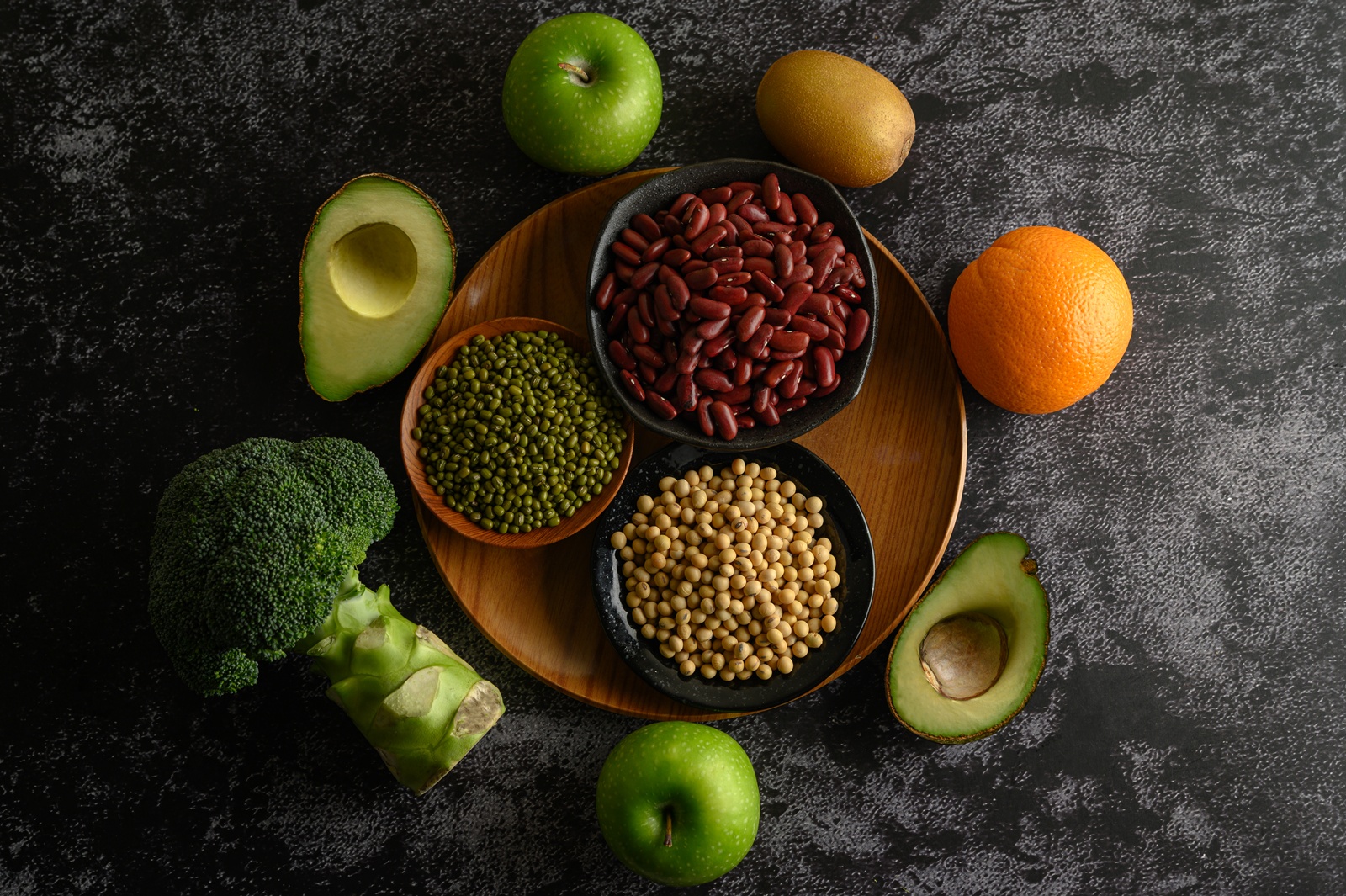 Pair your iron rich foods with vitamin C for increased absorption. (Magnific)
When does iron deficiency happen?
Raj explains that the body can experience iron deficiency when a person does not get enough iron through food, has difficulty absorbing iron, or loses blood through conditions such as heavy menstrual bleeding or gastrointestinal bleeding.
“If the deficiency becomes severe it can cause iron-deficiency anaemia, which can affect daily energy and physical performance,” she says. Therefore, persistent symptoms should be discussed with a doctor and confirmed through appropriate blood tests before starting iron supplements, because taking unnecessary iron can also be harmful, she adds.
What happens when there’s an iron overload?
Dr Satish Koul, Director, Internal Medicine, Fortis Memorial Research Institute, Gurugram says that excess of iron can lead to deposition of iron in the organs and cause organ failure. Due to multiple transfusions, thalassemia patients can also develop endocrine disorders, he adds.
Story continues below this ad
Dr Koul mentions that the daily allowance of iron differs from person to person. “Gender differences, age, and the amount of activity one does are important factors when it comes to deciding recommended daily allowance,” he tells indianexpress.com.
According to him, menstruating females need at least 20 to 25 mg per day of iron as compared to men of similar age group who need 15 to 17 mg per day. “Pregnant and lactating females need at least 5 mg per day of excess daily iron as compared to other females,” he concludes.