NewsFree365
City—°AQI —
Trending India
BreakingWorld NewsIndiaSportsBusinessBanking & EconomicsPoliticsMarketsCrypto

Top movers

Live 24/7 Policy Wire

Real-time policy intelligence, without the noise.

Continuous verified updates spanning geopolitics, regulation, and live markets.

Open Live WireTrending Desk
NewsFree365

Clear, verified reporting. Every report links directly to primary sources.

8 Desks OperationalLive

Global Coverage Desks

BreakingWorld NewsIndiaSportsBusinessBanking & EconomicsPoliticsMarketsCrypto

Platform

  • Global Wire
  • Trending Desk
  • Newsroom Mission
  • Editorial Contact
  • Sitemap

Standards & Legal

  • Editorial Standards
  • Privacy Standards
  • Terms of Use
  • Cookie Settings

© 2026 NewsFree365. All rights reserved.

PrivacyTermsCookiesSitemap
NEWSFREE365
All news
Home/News/Breaking
Breaking
Aug 17, 2026, 9:31 AM·2 views

What Wildfire Smoke Reveals About How We Respond to Climate Risk

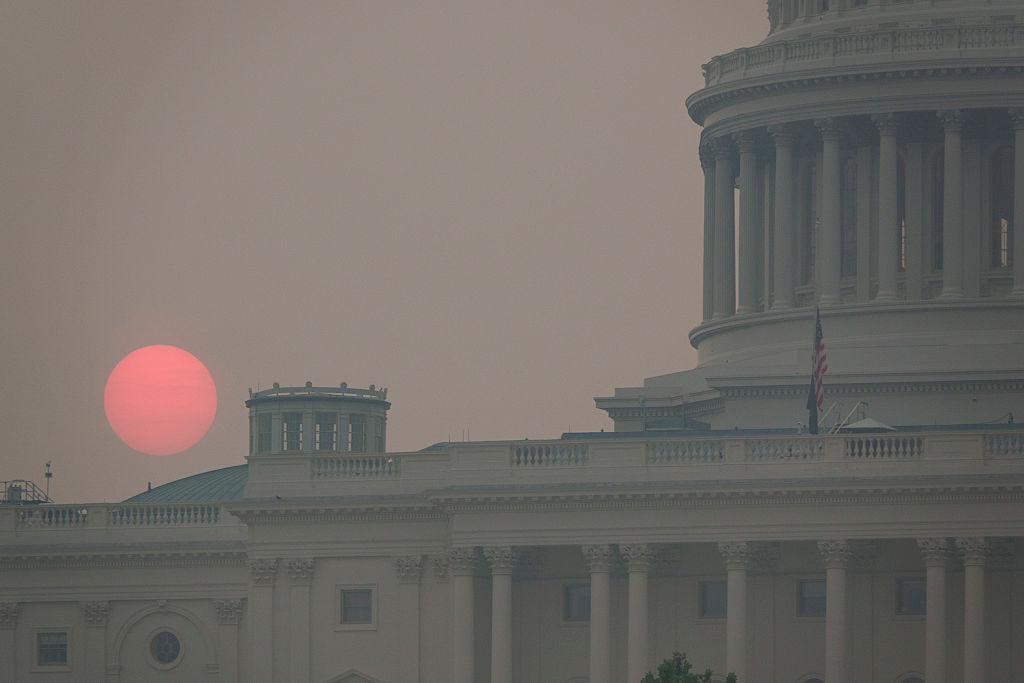
The sun rises behind the U.S. Capitol building as smoke from wildfires in Canada fills the air on July 17 in Washington D.C. —Kevin Carter—Getty Images A month ago, I was running embarrassingly late to a meeting in…

NewsFree365What Wildfire Smoke Reveals About How We Respond to Climate Risk

The sun rises behind the U.S. Capitol building as smoke from wildfires in Canada fills the air on July 17 in Washington D.C. —Kevin Carter—Getty Images A month ago, I was running embarrassingly.

Image from article: What Wildfire Smoke Reveals About How We Respond to Climate Risk
The sun rises behind the U.S. Capitol building as smoke from wildfires in Canada fills the air on July 17 in Washington D.C. —Kevin Carter—Getty Images

A month ago, I was running embarrassingly late to a meeting in D.C. And so, even though I knew the air pollution outside from the Canadian wildfires was a hazard to my health, I picked up the pace and ran a few blocks to minimize my tardiness. 

The cough set in the next day, and I haven’t been able to kick it since. The doctor tells me I’m suffering from irritant bronchitis and that it should go away with time.

In the scheme of climate change, the cost of my cough is relatively small. It has slowed down my fitness ambitions a bit, and I am now frequently reassuring many a plane seatmate that I’m not actually sick. As an economic actor, it’s made me somewhat less productive. 

Read more: What Living Through the Hottest July Ever Looked Like Across the U.S.

In a way, I’m embarrassed by this story. I know that fire-induced air pollution is dangerous. It can trigger chronic heart and lung issues and, in some cases, lead to emergencies. Wildfire smoke has been tied to more than 24,000 premature deaths in the U.S. each year. (That same morning I donned a mask, only to lose it over the course of the day.) But I’m sharing it because I think it offers a few valuable lessons in our age of climate extremes.

Perhaps the most obvious lesson is the undeniable economic effects of wildfire smoke. We see it clearly in the data. A 2024 study published in the The Review of Economics and Statistics found that a single day of wildfire smoke reduces quarterly per-capita earnings in affected U.S. counties by about 0.1%. In aggregate, the study estimates wildfire smoke reduces U.S. labor income by about 2%. 

The wisest societal response to this would, of course, be to set out a policy framework to address both the root causes and the symptoms of the problem. Education about the risks and preventive measures like masking would help, too. 

Nonetheless, at the end of the day, the economy absorbs these costs. At the local level, however, that may not be possible much longer as fires occur more frequently. While a fire generally cannot occur in the same place year after year, the smoke will often hit the same places over and over again. A company with operations concentrated in affected geographies faces real operational risk. And that says nothing of the very real human health consequences for affected individuals. 

From an economic perspective, it’s worth noting that adaptation has a cost, too. If I had cancelled to avoid smoke exposure, I could have missed out on an important story idea, or I could have soured the other meeting participants, leading them to avoid working with me in the future.    

Since my fateful two-block jog, I’ve also been wondering about psychology and human behavior. Most immediately, I wondered, why was I so stupid? I write about these things. I yelled at my dad for not wearing a mask amid the Los Angeles fires. In short, I know better. More generally, what does that say about our broader reluctance to take climate change seriously even though we know better?

Research on how individuals respond to wildfire risk shows perhaps an unsurprising result: people at higher education levels tend to take protective action more seriously than their less educated counterparts. For example, a study published earlier this year in the Proceedings of the National Academy of Sciences used cell phone data from the 2018 fire season in California to show just that. And yet, even the educated underestimate at what point the level of air pollution becomes dangerous.  

But I was also intrigued by a smaller study looking at the response to fires published in the Journal of Community Health last year. Researchers found in general that study participants responded to fire-induced smoke pollution with smart interventions, like halting outdoor exercise and closing windows. But, at the same time, participants were constantly evaluating tradeoffs. Will it be too hot, for example, if I close the window? 

The problem may be that even those who understand that there is a risk, myself included, may underappreciate the cost of neglecting prevention.  

To get this story in your inbox, sign up to TIME's Future Proof newsletter here.   

Time Verified Source

Syndicated via official news feed

Read Full Story on Time
Explore all Breaking stories→

Syndicated feed content with full publisher credit.

Breaking Desk

More in Breaking

Continue reading verified coverage and related developments on this desk.

View All
NewsFree365
BREAKING18M AGO

‘An intoxicating mix of humour, high camp and danger’: remembering Tim Curry

Guardian readers share memories of the actor best known for roles in The Rocky Horror Show and Stephen King’s It I first saw him in the 1978 series Will Shakespeare, where he played Shakespeare alongside Nicholas Clay.…

NewsFree365
BREAKING28M AGO

Nottingham attacks families not told 'stalker' had violent past

Nottinghamshire Police received a complaint and has referred the matter to the IOPC.

NewsFree365
BREAKING40M AGO

Tim Cook handed $47m package for new role as executive chair of Apple

Pay and shares deal nearly matches $58m award to John Ternus, his successor as CEO at the $4.7tn tech company Business live – latest updates Tim Cook has received a $47m (£35m) pay deal as Apple’s executive chair, a…

NewsFree365
BREAKING45M AGO

Four in court over murder of baby stabbed to death

Four people, aged between 19 and 38, appear in court charged with murdering the newborn.

NewsFree365
BREAKING49M AGO

The ‘Miracle House’ That Survived Nepal’s Floods

People are coming to take photos of the green-painted house, which kept the Pyakurel family safe as the area all around them was destroyed by rampaging floodwaters.

NewsFree365
BREAKING53M AGO

Lizzo 'grateful' after judge dismisses lawsuit against production company

The About Damn Time singer says she is relieved at the outcome and will continue to fight every claim.

More from Breaking

Latest developments and reports from the desk

All stories →
NewsFree365
BREAKING18M AGO

‘An intoxicating mix of humour, high camp and danger’: remembering Tim Curry

Guardian readers share memories of the actor best known for roles in The Rocky Horror Show and Stephen King’s It I first saw him in the 1978 series Will Shakespeare, where he played Shakespeare alongside Nicholas Clay.…

NewsFree365
BREAKING28M AGO

Nottingham attacks families not told 'stalker' had violent past

Nottinghamshire Police received a complaint and has referred the matter to the IOPC.

NewsFree365
BREAKING40M AGO

Tim Cook handed $47m package for new role as executive chair of Apple

Pay and shares deal nearly matches $58m award to John Ternus, his successor as CEO at the $4.7tn tech company Business live – latest updates Tim Cook has received a $47m (£35m) pay deal as Apple’s executive chair, a…

Trending Wire

Most read across all desks

See all
  1. 1
    Breaking• Sep 2, 2026, 5:53 PM

    Four in court over murder of baby stabbed to death

  2. 2
    Breaking• Sep 2, 2026, 5:48 PM

    The ‘Miracle House’ That Survived Nepal’s Floods

  3. 3
    Breaking• Sep 2, 2026, 5:43 PM

    A.I. Is to Be Banned in N.Y.C. Elementary and Middle Schools

  4. 4
    Breaking• Sep 2, 2026, 5:41 PM

    Andy Burnham pressed on borrowing costs and spending at first PMQs – UK politics live

  5. 5
    Breaking• Sep 2, 2026, 5:40 PM

    Reform up against 'complainants' society', Farage tells BBC