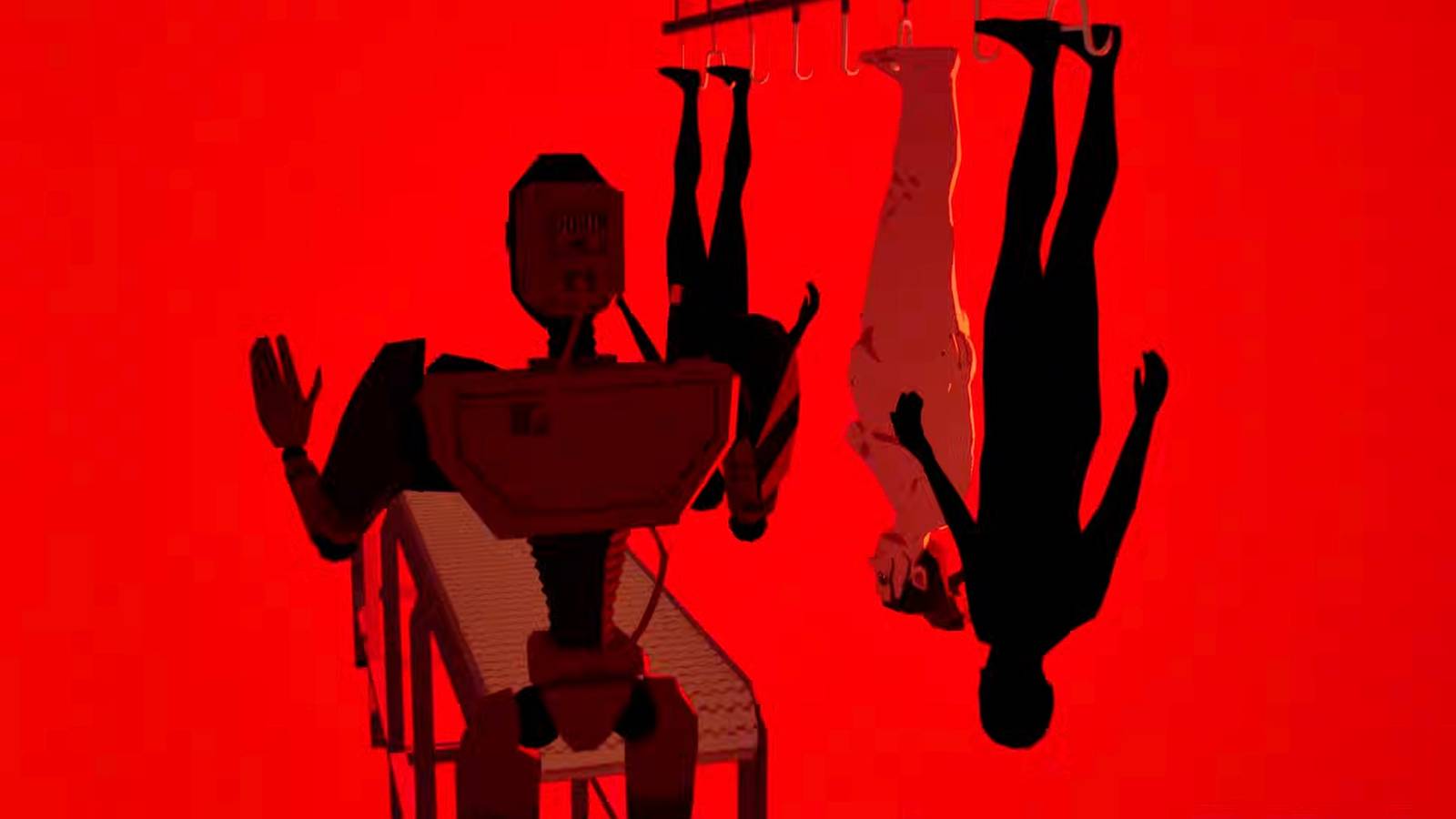
I have never pulled a legendary Virtue and a Sledgehammer fantasy. The upcoming narrative adventure game follows Pratelle, a one-woman army who’s out to destroy what’s left of her hometown in rural Spain, armed only with what she describes as “20 pounds of physical media.” A joint development effort from Deconstructeam and Selkie Harbor that’s published by Devolver Digital, Sledgehammer follows Pratelle’s journey through the ruins of her childhood, where she encounters the remnants of former neighbors whose memories have been uploaded into cube-headed robots. Some greet her return with trepidation, others with aggression. Either way, they get the hammer. Everything gets the hammer.

To find out why smashing things — both in games like Virtue and a Sledgehammer and in real life — feels so damn satisfying, I spoke with and postdoctoral fellow at the Salk Institute in La Jolla, Calif. He told me that there are many reasons why breaking stuff feels wonderful, though they’re probably not what you’d assume.
“The first intuition you have is that this is about venting anger. This is about catharsis. The idea that if you express your anger and let it out, then you won't be angry in the future, right? Actually, this is a myth. This is something that's been debunked scientifically,” Leonardis explained. He pointed toward a recent meta analysis performed using 154 studies, which evaluated attempts to soothe anger through physical activity, like hitting a punching bag or going for a run.
“What they find is actually people engage in more and more aggressive behavior because they've been ruminating and thinking about it, right? And they'll actually report being more angry afterwards. This is because of something called excitation transfer,” he continued. “So if you have a high heart rate and it seems like you're stressed out, then it's hard for us to be able to place where that's coming from, and often it can just continue on.”
So does that mean bashing thrift store leftovers will have the same effect as destroying the home of a dead loved one? Not exactly. But that doesn’t mean it’s totally unhelpful, either. Destroying random objects that we have no connection to might not directly reduce our grief or anger, but Leonardis says it does make our brain release a cascade of pleasurable chemicals that feel an awful lot like narcotics. He’s not wrong: the first time my bat made a solid dent in that TV screen, I felt like I’d just thrown back a stiff drink.
“We have these endocannabinoids that are being released in our brain. That’s what we call a runner's high. We also have endogenous opioids, the brain's endogenous morphine. Those are gonna be released in like the pituitary gland and the hypothalamus and into the bloodstream. There’s also dopamine, this reward chemical that is released throughout the brain, in the ventral tegmental area and the striatum,” Leonardis explains. “That’s how these behaviors become reinforced. These things feel good when we do them, so then we want to do them more in the future. Serotonin as well, this is a mood-regulating chemical that is gonna be released when we exert ourselves — and when we smash something with a sledgehammer.”
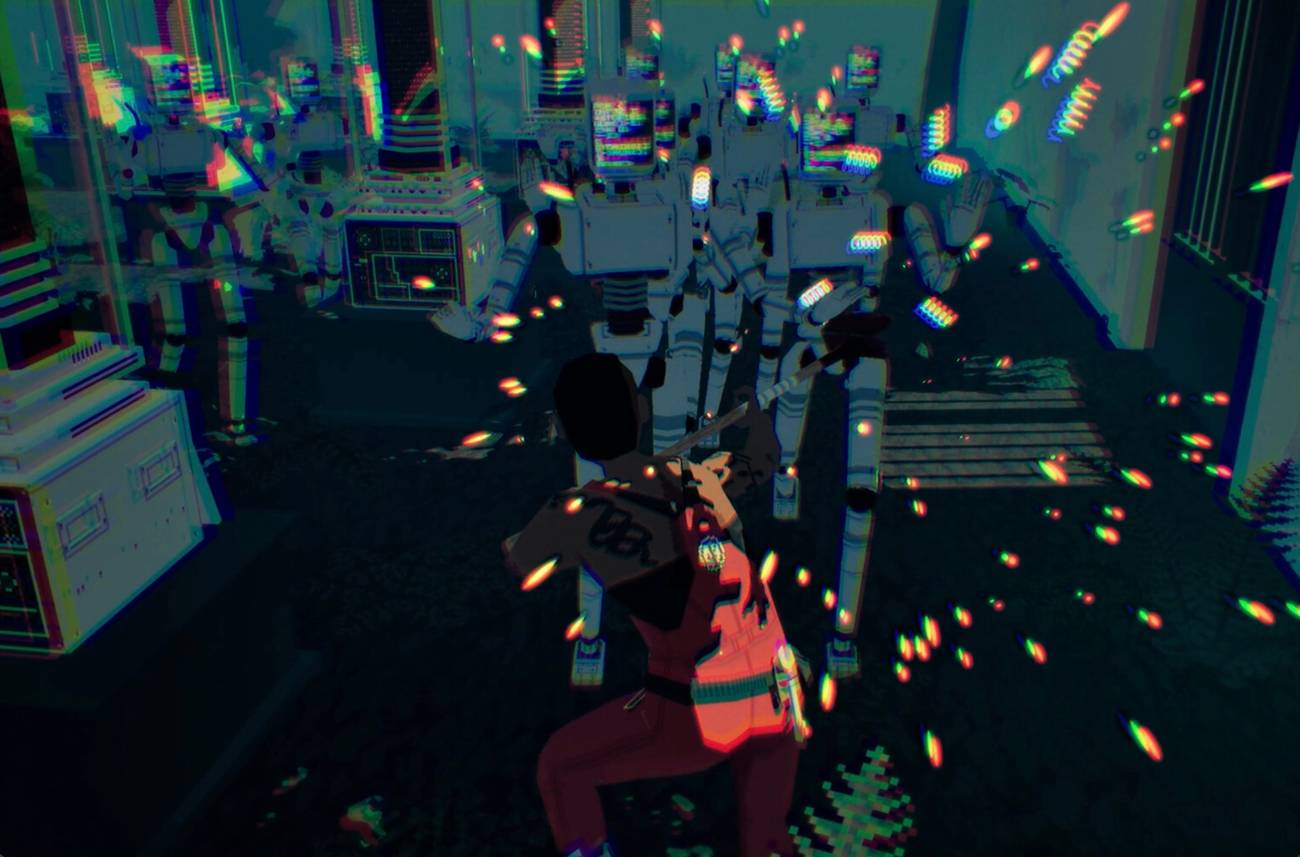 Image: Deconstructeam / Selkie Harbour / Devolver Digital
Destroying your hometown is an enticing gameplay gimmick in its own right, but Leonardis points out it also taps into something primal that transcends time and place. All across the globe, humans have a well-documented history of ritual destruction in the face of tragedy. Specifically, the scholar cites Mayan and American Southwest indigenous cultures.
“They would take bowls and ceramics that belonged to people who died, and they would actually destroy them during burial rituals. They would intentionally poke holes in the bowls so that no one could ever use them again, and then place them over the faces of the dead, to make sure that those who were still living could no longer use these objects because the person might need them in the afterlife,” Leonardis says. “This is basically humans attempting to assert control and their own agency over a situation where they find themselves powerless, and that is actually very empowering. So to destroy an object that has meaning can have symbolic value for you in the future, and can also lead to acceptance.”
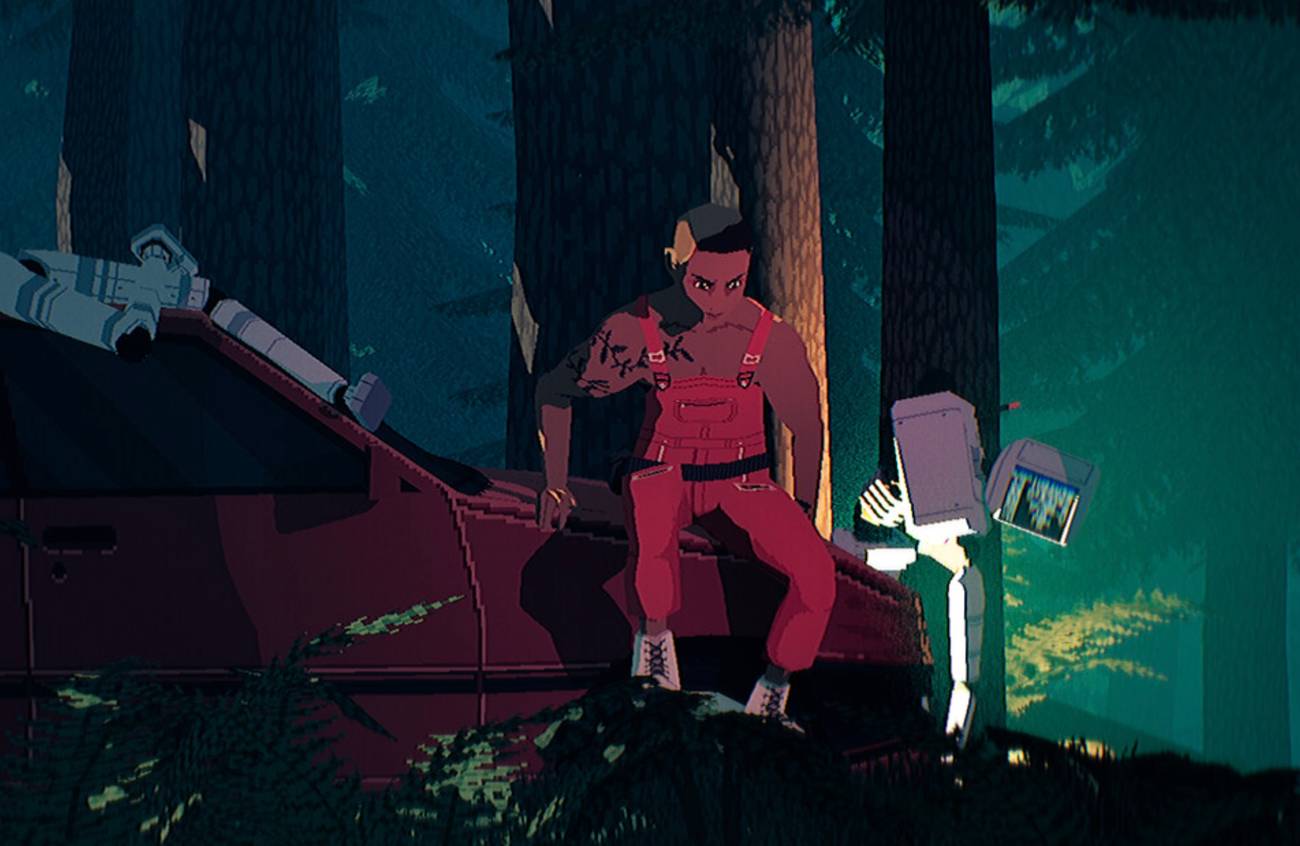 Image: Deconstructeam / Selkie Harbour / Devolver Digital
“It's called the illusion of control study, where if you have someone that's experiencing shocks, and someone else is administering it to them, they will have a big amount of physiological stress,” Leonardis explains. “If you measure their sweat and their skin conductance and things like that, you'll find that it's very high when someone else is inflicting this shock. But if you tell them that they actually have control over this shock, then they will actually report less pain.” That may explain why Pratelle would rather pick up the hammer herself, rather than take a seat and watch the world burn.
Leonardis also points out that simulated destruction — whether in a rage room or a game like Virtue and a Sledgehammer — can also satisfy our sense of morbid curiosity and prepare us to deal with negative situations in the future. That’s because there’s a part of our brains that’s just itching to know what it would look like if we were to hurl that plate to the floor, or throw a wine glass at the wall as hard as we can.
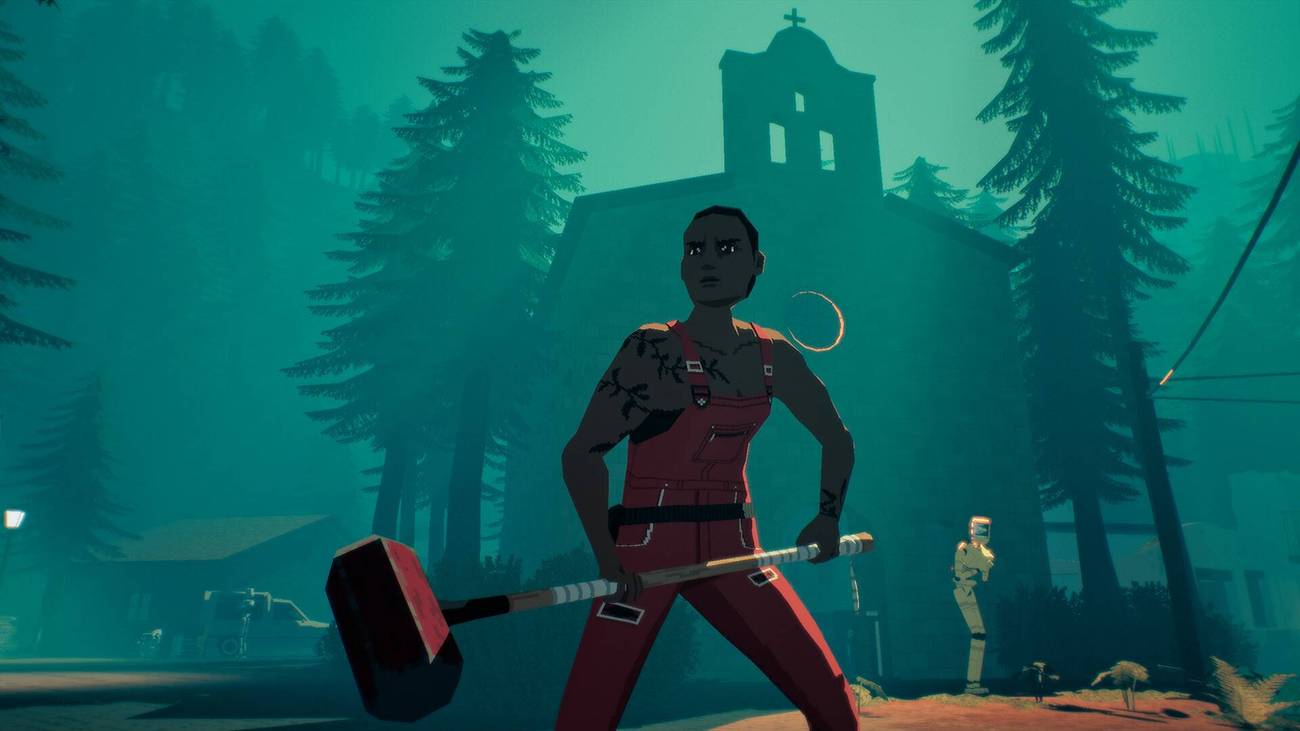 Image: Deconstructeam/Devolver Digital
Speaking of things going south, Virtue and a Sledgehammer comes at a moment when we’re all feeling particularly anxious about the role technology plays in our lives. AI is gobbling up jobs and making laptops, phones, and game consoles more expensive than ever. Data centers are devastating local water supplies while belching harmful toxins into the surrounding air. Companies like PlayStation insist that consumers
 Image: Deconstructeam / Selkie Harbour / Devolver Digital
It’s not a coincidence that Pratelle is bashing robots to bits, instead of real people. There’s also a reason I went straight for the screens and not the wine glasses at The Ragery. Both speak to a more widespread desire to take back control, to experience something authentic instead of just “more content.” If the last several months have left you feeling itching to bash something with a bat, perhaps Virtue and a Sledgehammer will resonate with you.
“In general, smashing things is probably not the answer to your trauma,” Leonardis said. “But it is definitely a thing that humans have done ritualistically throughout history to try to exert control.”
Virtue and a Sledgehammer will be released on Windows PC via Steam this fall.