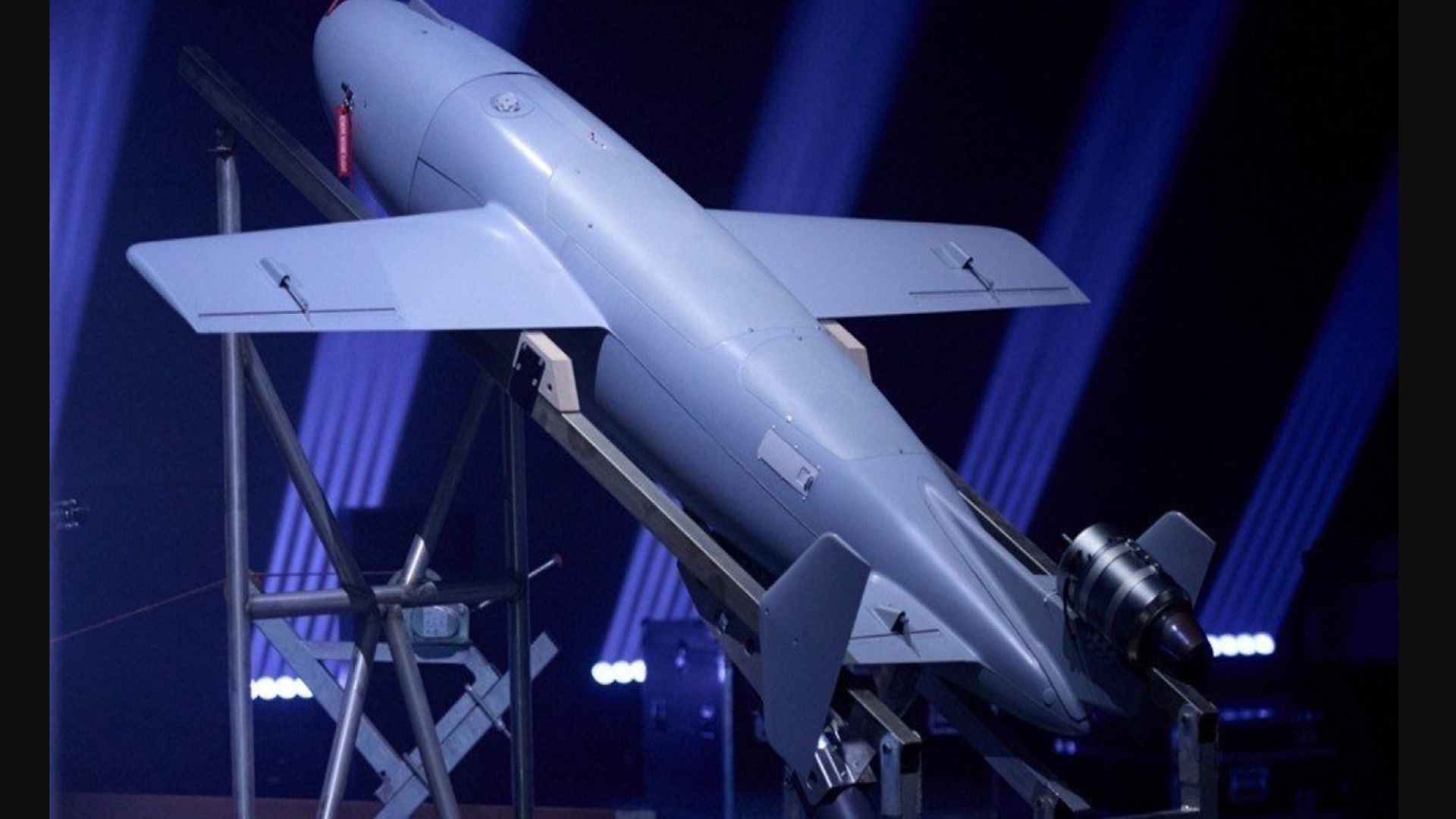
- Ukraine has started European production of its BARS jet-powered strike drone
- The latest BARS configuration reportedly has a 1,000 kilometers range
- BARS can now carry warheads weighing up to 60 kilograms
Ukraine has begun production of its BARS jet-powered strike drone in Europe, and the latest version has a range of 1,000 kilometers.
Production commenced in early September, intending to support higher output as developers continue to modify the drone for different mission needs.
This is a joint effort between Ukraine and Germany, with the first completed drones expected to reach Ukraine's Defense Forces from October 10 2026.
BARS enters European production with longer reach
The arrangement followed an agreement signed July 8 by Ukrainian Foreign Minister Andrii Sybiha and German Defense Minister Boris Pistorius.Germany is financing the first production stage, while completed systems are intended for use by Ukraine's armed forces.
Engine availability remains a key limitation, since turbojet deliveries currently determine how quickly additional aircraft can leave production.
The BARS jet-powered strike drone can travel above 700 kilometers per hour while carrying a substantial warhead.
Its maximum warhead weight has also increased substantially, rising from 22.5 kilograms on earlier models to 60 kilograms.
Its design allows developers to alter fuel storage and payload capacity based on the distance required for a particular mission.
Longer missions can use additional internal space for fuel, while shorter flights can devote more room to carrying additional weight.
Developers keep changing the drone and its guidance
BARS has reportedly gone through more than 40 design changes and upgrades since the prototype was developed.The platform is divided into DeepStrike, MiddleStrike and FrontStrike configurations, covering different mission ranges and operational requirements.
The developer says artificial intelligence now contributes to several stages of the program, including engineering work and the drone's final guidance system.
“We use the tools that AI technologies provide us today, and we do not shy away from them at any level—from development and solving engineering problems to implementing machine vision in our target-guidance systems,” said the BARS developer.
During the final part of its flight, the operator can continue controlling the drone or transfer control to optical guidance.
This expansion of BARS production is a strategically sound move for Ukraine because German financing and supply chain ease pressure on Kyiv's defense budget.
Producing BARS in Europe also shields manufacturing from Russian strikes that have repeatedly targeted Ukrainian defense facilities.
For Germany, this partnership signals a deepening commitment to Ukraine's long-term defense industrial base rather than merely short-term arms transfers.
It strengthens bilateral ties and proves that European backing can translate into real, sustained battlefield capability.
Such a longer-range, heavier-payload drone with AI-assisted guidance raises Moscow's defensive costs by threatening targets deeper behind the front line.
This forces Russian air defenses to stretch across a wider geography, while the joint-production model may set a template for future allied co-production deals.
Via United24media