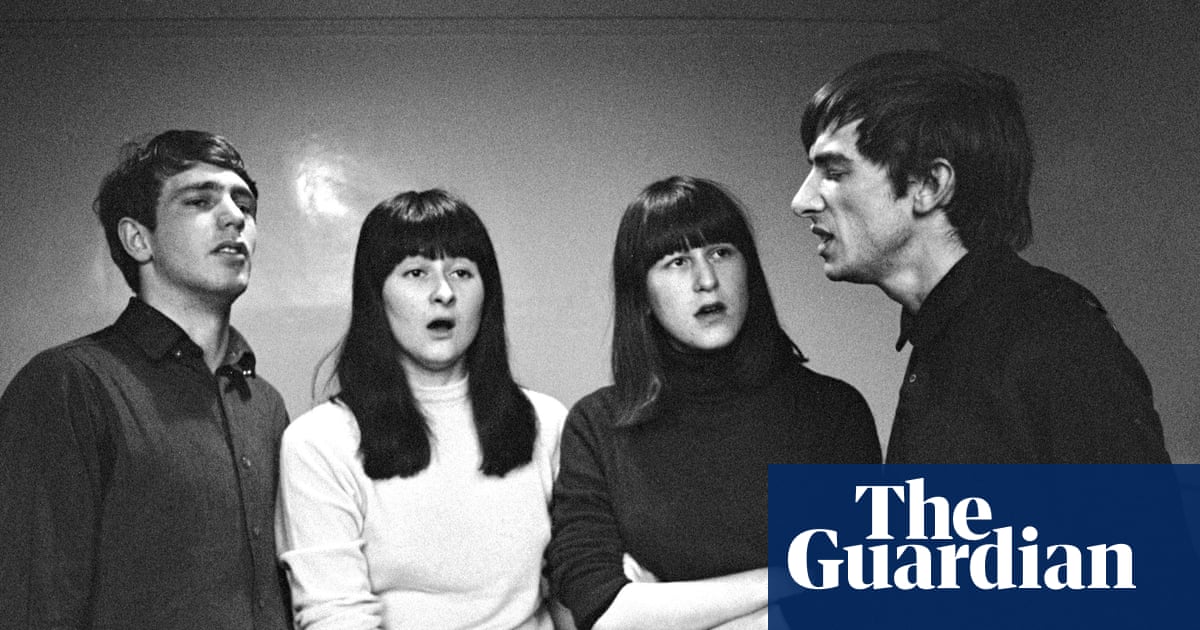
It is an idea that no doubt would make them shudder, for the Watersons – who are appearing at 10.30 tonight at the Jeannette Cochrane Theatre, Holborn – are perhaps the most devoted exponents of traditional folk music in Britain today.
Like many other contemporary folk singers they developed an interest in traditional material after being influenced first by the trad jazz and skiffle movements of the fifties. Interest shifted from American to British songs, and the group opened up a folk club in one of the larger Hull pubs, the Bluebell. This slowly built up until they were playing (as at present) to capacity audiences every night.
For the Watersons folk has become an obsession, almost a religion, closely bound up in many ways with their extreme left-wing political views. It has led them to lead a strangely devoted and regulated life. “We spend a week on and a week off” they explain. “On” consists of touring British clubs and giving concerts, while the alternate weeks are spent looking after their own club in Hull or searching for new material, either “in the field” or among the dusty records of Cecil Sharp House.
They approach their music with an idealism that might seem laughable if the result were not so successful simply on the level of entertainment. “Our approach is like that of the Rolling Stones – earthy,” explains Mickey Waterson, who takes the lead on many songs. This earthiness is where the appeal lies: the songs are not held at arm’s length with a respect that stifles their vitality, but are sung with an intensity that shocks and forces them into life. They are sung unaccompanied, and come for the most part from the small area of eastern Yorkshire and from Cornwall. Their subject matter, too, is earthy: many of the songs are original medieval seasonal carols of fertility, ploughing, harvesting, and so on, which continued hand in hand with Christian ritual right down until the end of the 19th century.
While sticking as far as possible to traditional styles of singing, the Watersons improvise on the songs, watching each other closely and critically and breaking suddenly into an experimental harmony.