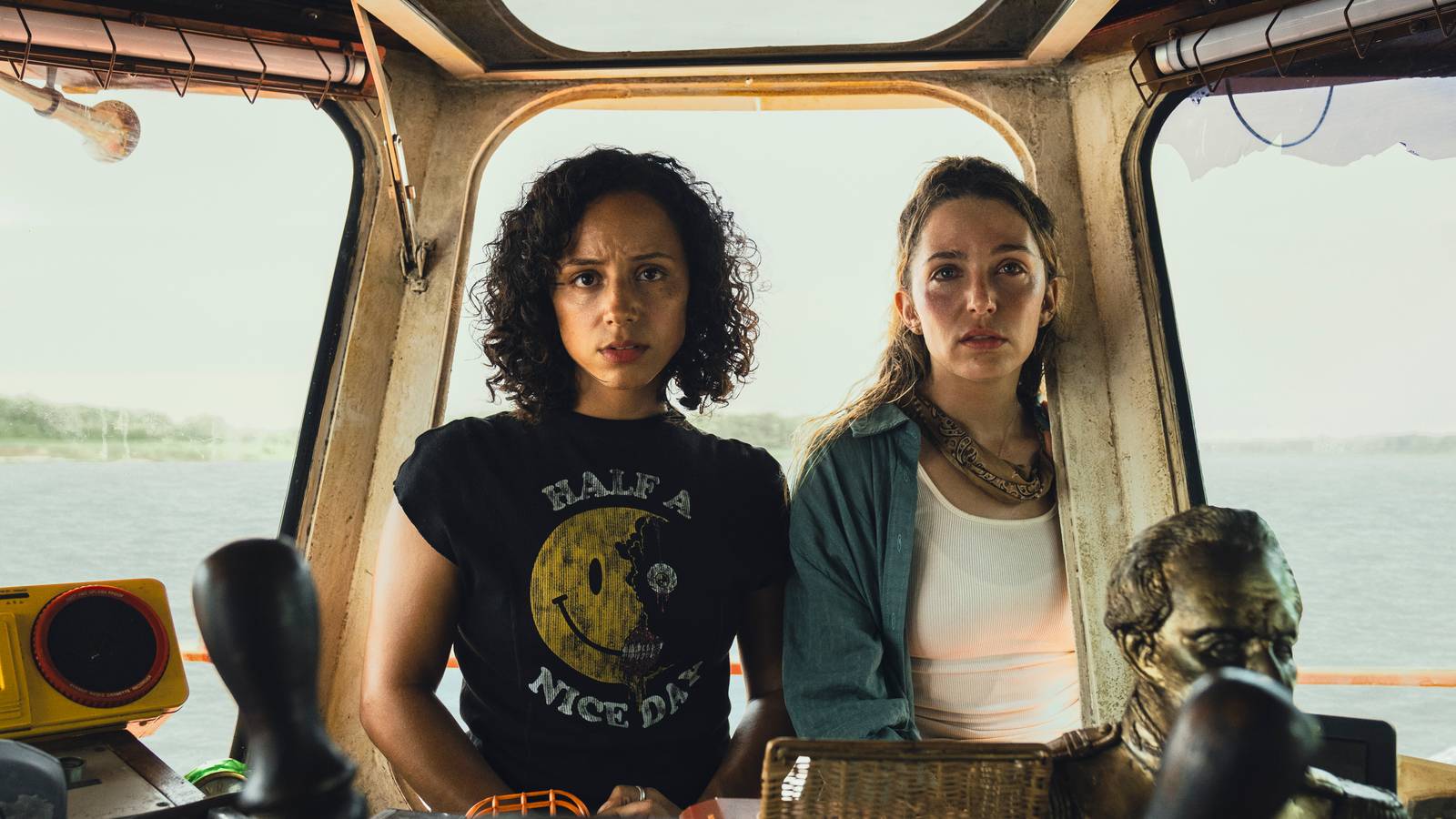
Despite the obvious appeal of watching terrorized humans get hunted and devoured by large serpents, the giant-snake horror subgenre is remarkably shallow — and the movies that do exist rarely get taken very seriously. With his new film, director Mike P. Nelson (2025's Silent Night, Deadly Night) is hoping to change all that.

Filming in the Amazon
 Image: Lionsgate
"They started to look at how much it was gonna cost to shoot in all these different jungle areas around the world," he says. "I'm just thinking to myself, 'The movie takes place in the Amazon. We should shoot there. '"
Eventually, one of the film's producers, Jeremy Bolt, traveled to the Amazon to scope it out. Nelson followed soon afterward and was immediately convinced this was the only option.
"As soon as they started taking us around, showing us the boats, taking us down the actual Amazon River, showing us some of these jungle areas, I was just like, 'It has to be here, dude. '"
Surviving the Amazon
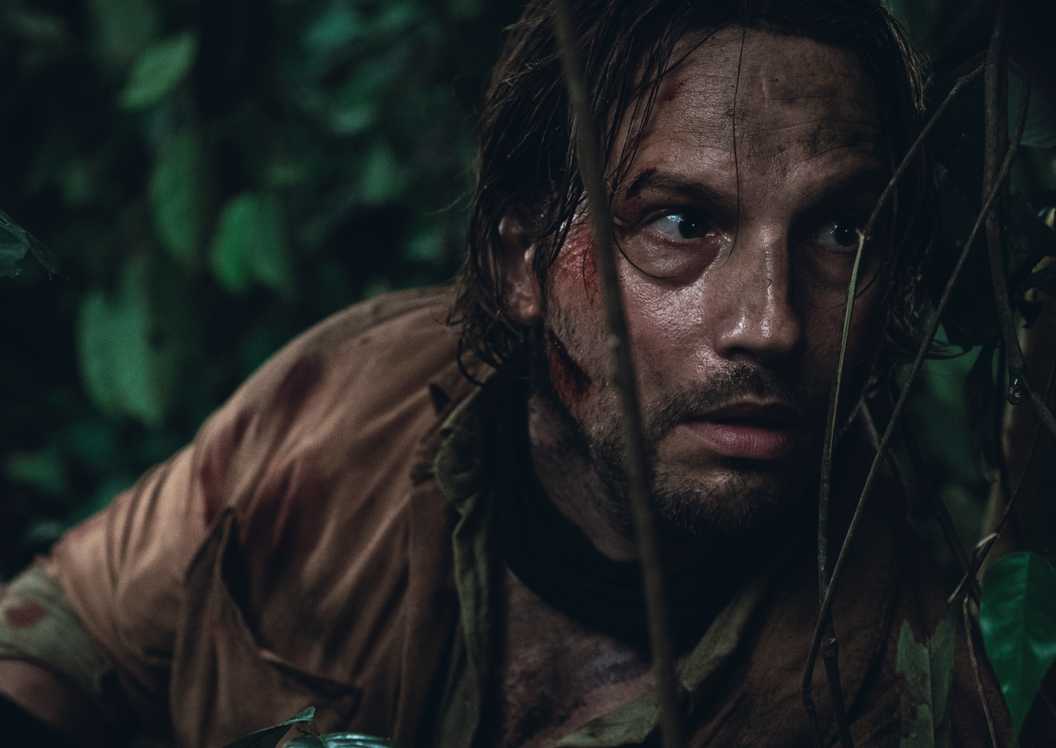
He adds that the film's conversationist message, in which the mythical snake Boiúna protects the Amazon from loggers and gold miners, helped win over the locals and got them access to parts of the jungle they otherwise never could have seen, let alone filmed a horror movie in.
"The elders who let us shoot on their land, and ultimately blessed us to be there were super cool. "
As for the actual wildlife, the director says it's not quite as dangerous as movies like Anaconda could kill you, but it's not necessarily there just to kill you. "
At one point, somebody did get bitten by a tarantula.
Even so, there were a few close calls.
"It was raining one day and there was a Brazilian wandering spider just on somebody's umbrella, just right there. That's not a good bite to have," Nelson says. (Indeed, Phoneutria nigriventer carries a venom that can cause intense pain, increased blood pressure, and prolonged erections in men — yes,
Creating Boiúna
 Image: Lionsgate
"I didn't want any tennis balls," he says. "I wanted to give them something to look at; give them something that they can feel moving behind them. "
In the trailer when you see that guy get eaten, that's not a digital double.
"When I say practical effects, it's in how we puppeted the environment," Nelson says. For example, in a lot of scenes, the team used a long piece of HVAC painted black to represent the snake. "We dragged it through the jungle and pulled it into water, to give a sense of something large and ominous that was next to them, that was moving, that they could hear, that they could feel. "
Nelson and his team also found other ways to manipulate the environment and inject a bit more realism as well.
"We built full-on trees that were falling and crashing and sending debris up in the air," Nelson says. "We built this truss out in the middle of the jungle that could pull somebody 40 feet. In the trailer, when you see that guy get eaten, that's not a digital double. That's a real guy who gets yanked up into the air. We took a cannon full of debris and dirt and blew it out of those trees to represent the snake coming out. "
Ultimately, it all works shockingly well. While you'll never quite forget you're watching a CGI monster swallowing up whole humans, every choice made behind the camera ensures Beware Boiúna feels as real as possible on the big screen. From the beautiful-but-deadly scenery to the cast's grounded performances, it all adds up to an impressively sturdy giant-snake horror movie. Maybe now the genre will finally get the credit it deserves.
Beware Boiúna releases in theaters on Oct. 2.