The public acknowledgment of a shift in US strategy comes a year after Washington began a campaign of unilateral deadly strikes against those it calls “narco-terrorists” operating boats in international waters.
Late Wednesday, US Southern Command announced the latest such strike in the Caribbean Sea, saying it killed three people. That brought the number of people who have been killed in boat strikes by the US military to at least 230 in 69 strikes.
Still, the Trump administration is focused on building agreements for joint operations with allied countries in the region, including Colombia and Ecuador, that comply with their laws in their waters.
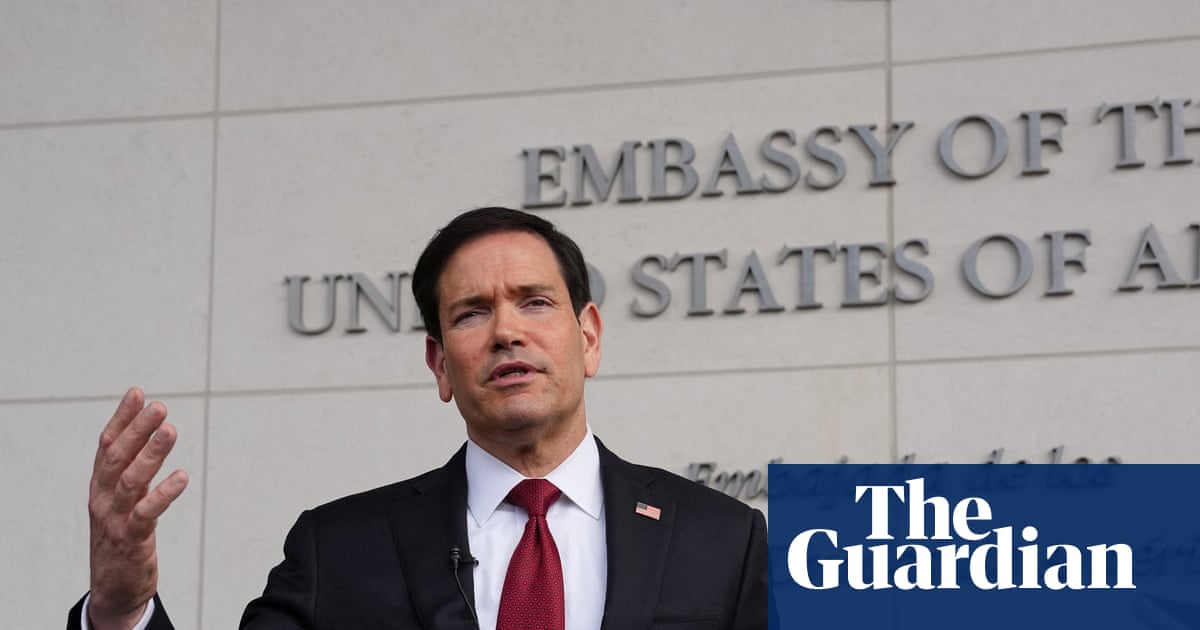
“I think its an incredible advance for the first time to have countries that are willing to participate in these efforts in their territorial waters,” Rubio told reporters on a trip to the Ecuadorian capital, Quito.
“The important point is that these routes are being disrupted. These routes are being ended,” he added.
He said the decision is “a strike-by-strike or operation-by-operation determination” that depends on the threat and location of the boat.
Recent US interdictions in Latin American waters are unlike the Trump administration’s initial strikes on alleged drug-trafficking boats that began in September 2025. People onboard floating refueling stations said to be supporting drug trafficking have been removed and transferred to Ecuadorian authorities. Then the US military blows up the vessels.
The shift comes after a series of strikes on boats over the year on people the Trump administration accused of being “narco-terrorists” without providing evidence.
Rubio’s comments came during a three-nation tour of South America aimed at boosting security cooperation with conservative leaders who have cozied up to Donald Trump.
