How schools are teaching 9/11 to a new generation
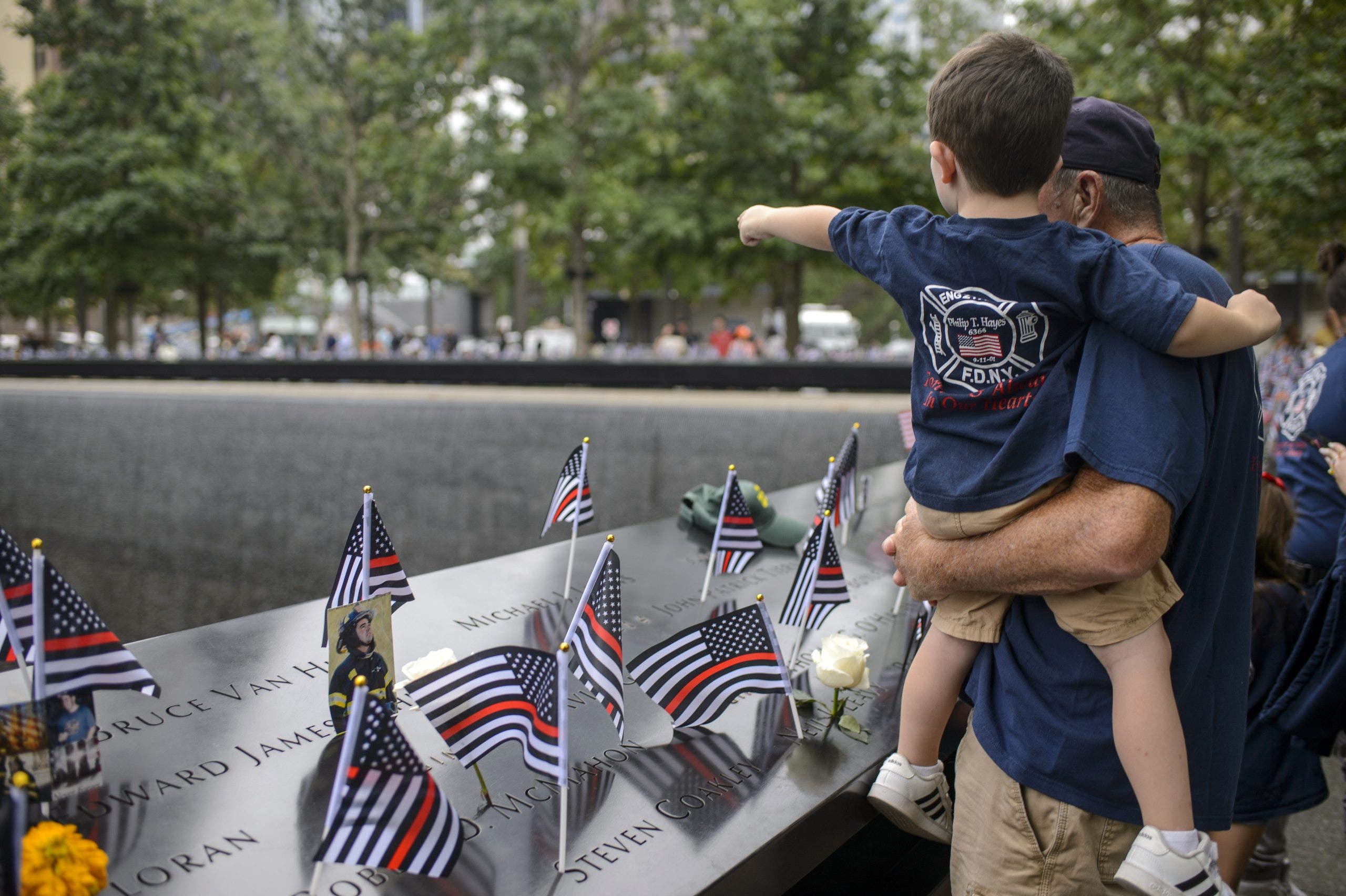
Fox News senior correspondent Eric Shawn reports from the 9/11 Memorial in New York City on how schools are teaching the history of September 11 to students born years after the attacks. Elementary school counselor Scott Bruce and National 9/11 Memorial and Museum CEO Beth Hillman discuss the importance of preserving the memory for a new generation.Not from decay. Not from neglect. It’s simply the passage of time.
The memories are vague. Elusive. Distant. And some who lived it are simply no longer here.
Roughly one-third of all Americans who were alive on 9/11 aren’t around any more to observe the 25th anniversary of that abominable day. And so the recollections of September 11, 2001 are diluted.
NEW 9/11 MUSEUM EXHIBIT AIMS TO CONNECT YOUNGER AMERICANS TO THE ATTACKS THROUGH POWERFUL ARTIFACTS
To many, 9/11 is like . Lots of people know about it. They understand it’s what triggered the U.S.’s entry into World War II. But they can’t quite explain much more.
The same with other historical-shifting moments. August 6 and 9, 1945 — the days the U.S. bombed Hiroshima and Nagasaki, effectively ending World War II. November 22, 1963 — the day a gunman mowed down President John F. Kennedy Jr. in Dallas.
A lot of people remember the Space Shuttle Challenger exploding. But few could tell you that it happened on January 28, 1986.
The quintessence of 9/11 is the date. Kind of like July 4th. A bit like January 6th and . However, we were told on September 11, 2001, that things would never be the same. But how can those who didn’t experience it understand what "the same" was like if the y never lived it?
Just last month, a relative of mine who soon turns 26 asked "what it was like it to fly before 9/11? "
I can regale you with stories about myself and a rag-tag group of high school friends, driving to the Cincinnati airport, clearing security and just wandering around the Delta gates, "hanging out" back in the mid-1980s.
No ticket. No questions asked. Just a visit to Cinnabon.
But the "before times" question about 9/11 is a broader conversation. It’s not just about "what changed" when you take off your shoes and bustle through security to fly.
LIZ PEEK: WE CANNOT LET THE LEFT REWRITE WHAT HAPPENED ON 9/11
It took a few years, but the U.S. intelligence services finally determined that the fourth plane was bound for the U.S. Capitol. That’s where Todd Beamer and a cadre of everyday Americans voted (mind you, at 35,000 feet) to commandeer a drinks cart and rush the cockpit in an effort to seize control of the plane.
"Let’s roll! " Beamer was overheard saying on a cellphone as they charged down the aisle. That two-word phrase became a battle cry for a nation as it waged the war on terrorism.
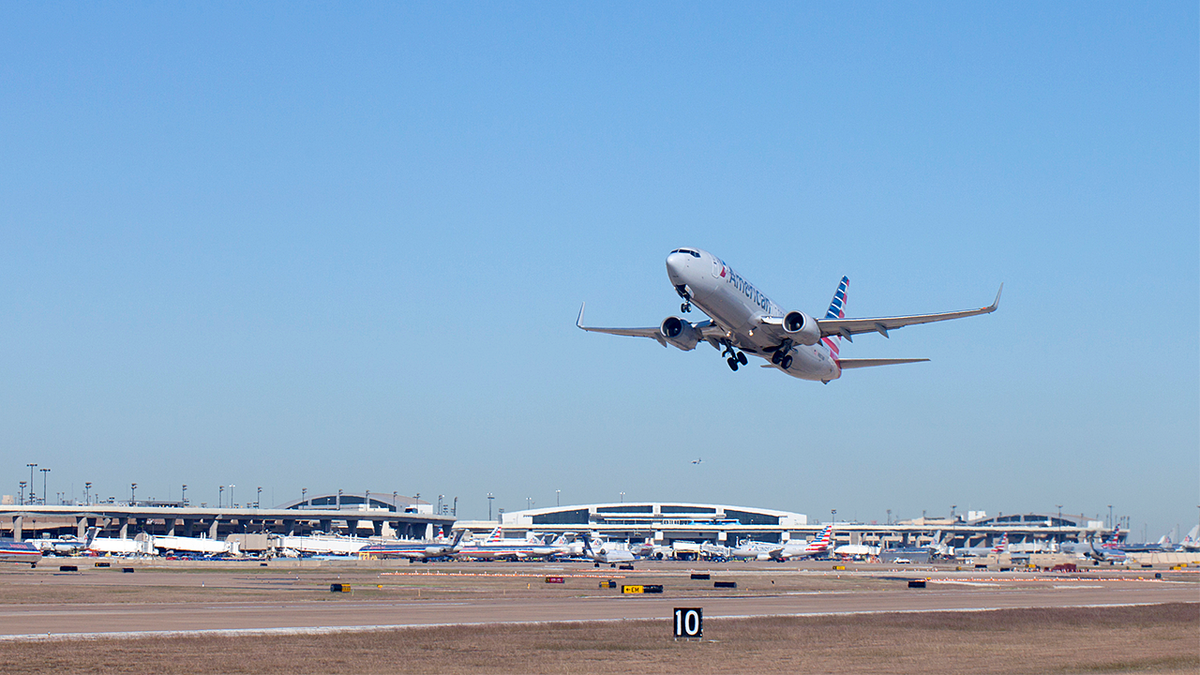
The Boeing 757 hurtled toward Washington at 563 mph. It was 20 minutes out from the federal city when the plane crashed, upside down, in the Pennsylvania countryside.
Shanksville is now one of those places forever notched into American history. A place not as famous say as Gettysburg or Jamestown, but not a footnote, either. Shanksville is part of the vernacular like Shiloh, Seneca Falls, Kent.
People might know that something historic happened there. But they aren’t exactly sure what.
Scores of markers dot the U.S. Capitol, denoting important things from yesteryear. Wander into Statuary Hall in the Capitol and you’ll find the desk locations of eight Presidents who served in the House. But the spot where late President Franklin Pierce once sat just seems like an historical annotation. Pierce toiled the re nearly two centuries ago. And he’s hardly prominent among American chief executives.
There’s a plaque just outside the Old Supreme Court chamber. It tells the story of how Samuel B. Morse sent the first electronic message from that room to Baltimore over a wire in 1844. "What hath God wrought! " reads the plaque, commemorating Morse’s transmission. That event christened the age of near-instant communication – now ubiquitous in the form of news alerts and TikTok videos appearing instantly in the palms of our hands.
But that plaque in the Capitol’s east vestibule doesn’t memorialize something that happened there. It marks something which didn’t happen there.
The plaque reads that the actions of the 40 passengers and crew "not only saved countless lives, but may have saved the U.S. Capitol from destruction. "
In other words, this global citadel to democracy with its ivory dome might not pierce the Washington skyline were it not for a plane which crashed 167 miles away.
Shanksville. Shiloh. Seneca Falls. Kent.
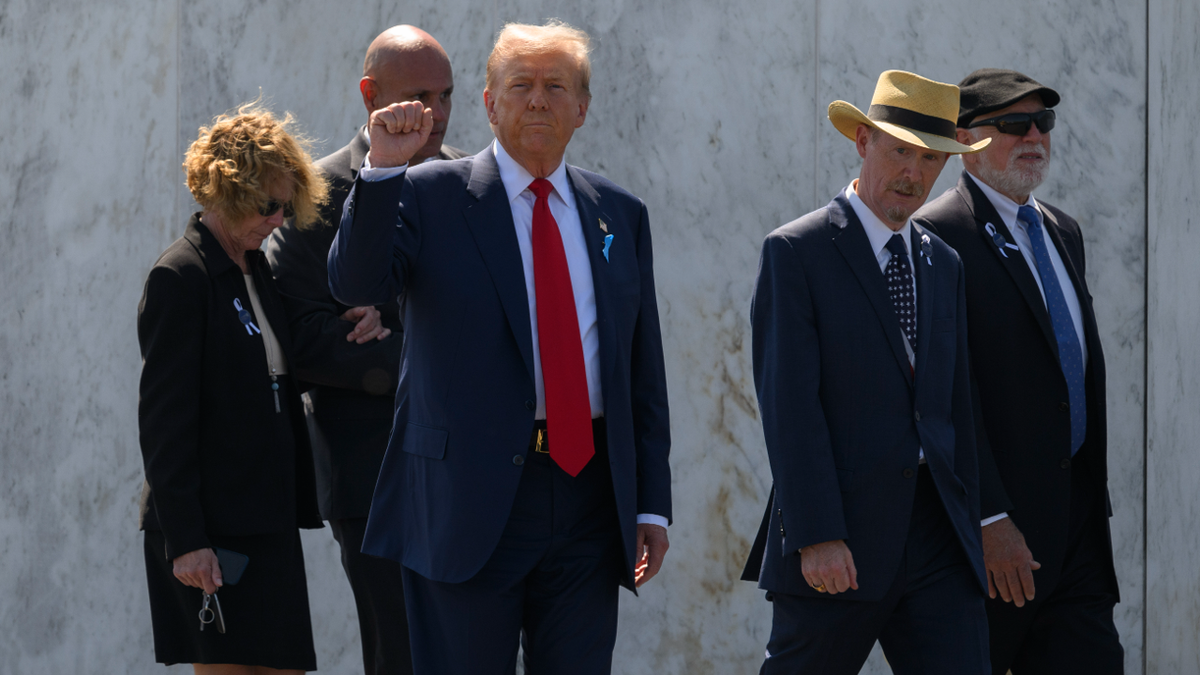
On that morning, I couldn’t help but notice there was no wildlife to be seen or heard. No deer. No birds chirping.
A disturbing silence.
Perhaps it was the billowing wind of that frosty morning. Maybe the snow. But I noticed no footprints gouging the crisp snowpack.
It was almost as though the animals were aware of something. Dare I say understood what happened in this field a quarter century ago. Perhaps the local fauna stayed hushed out of reverence for those who perished. A tribute to their heroism, saving the U.S. Capitol.
Or perhaps it was something else.
Maybe the creatures were so reserved because of the malevolence which was also on board Flight 93. One can only speculate that the animals remain hushed because of the peculiar unease enveloping the place. Even on a crisp but blustery winter morning.
Shanksville is a burial ground. And in a few more decades or even a hundred years, those who visit there will walk the paths or peer out over the panorama, trying to grasp the scope of what unfolded there on 9/11.
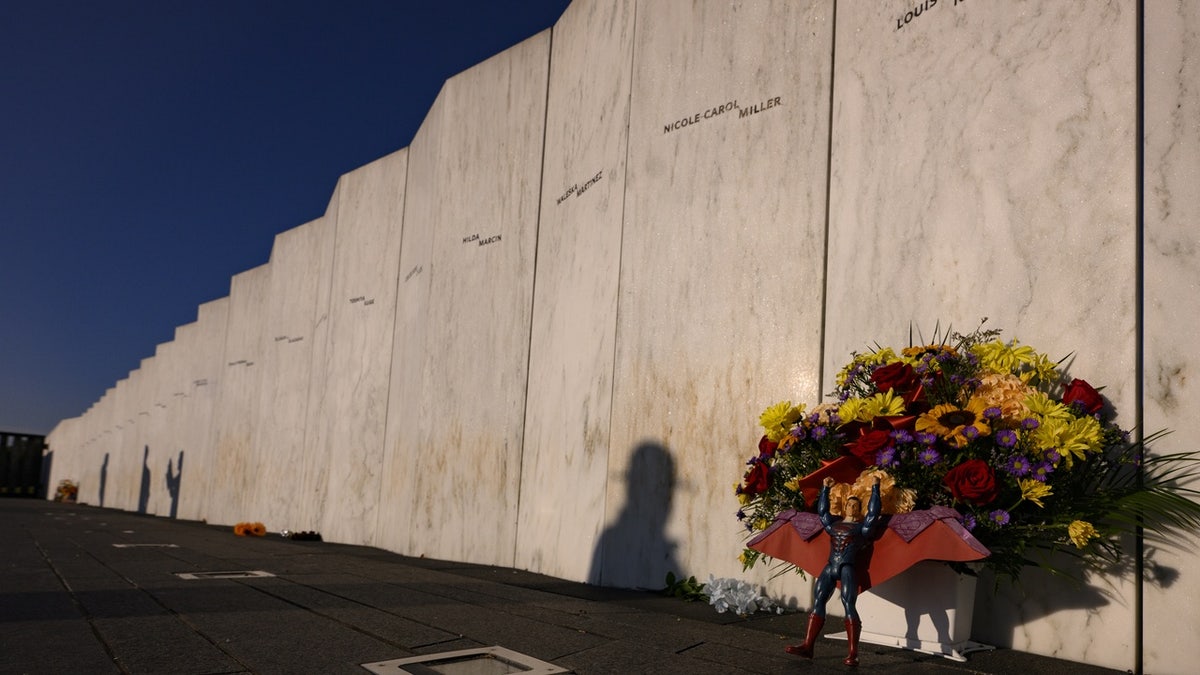
In another quarter century, there will will be even fewer people around who remember 9/11. Another 25 after that and many of those still living might be infirm. Confined to wheelchairs. The final generation of messengers who can speak firsthand about what happened that day. Kind of like when honor flights descend on Washington to visit the World War II Memorial on the National Mall.
It’s just the passage of time.
The plaque inside the Capitol will continue to tell the story. And in many ways, just the fact that the Capitol remains standing tells the story, too. Its presence attests to the bravery which manifested itself somewhere over eastern Ohio and is interred in a western Pennsylvania clearing.
CLICK HERE TO DOWNLOAD THE FOX NEWS APP
We know this now. Even though some of what we recall is faded.
But the memories and understanding of the significance will naturally calcify. Details will grow hazy. People will know the date 9/11. But it may just be that — a date. Like Pearl Harbor Day.
President Franklin Delano Roosevelt referred to December 7, 1941 "a day which will live infamy. "
9/11 will live in infamy. But it’s unclear how that date will live in the minds of Americans.