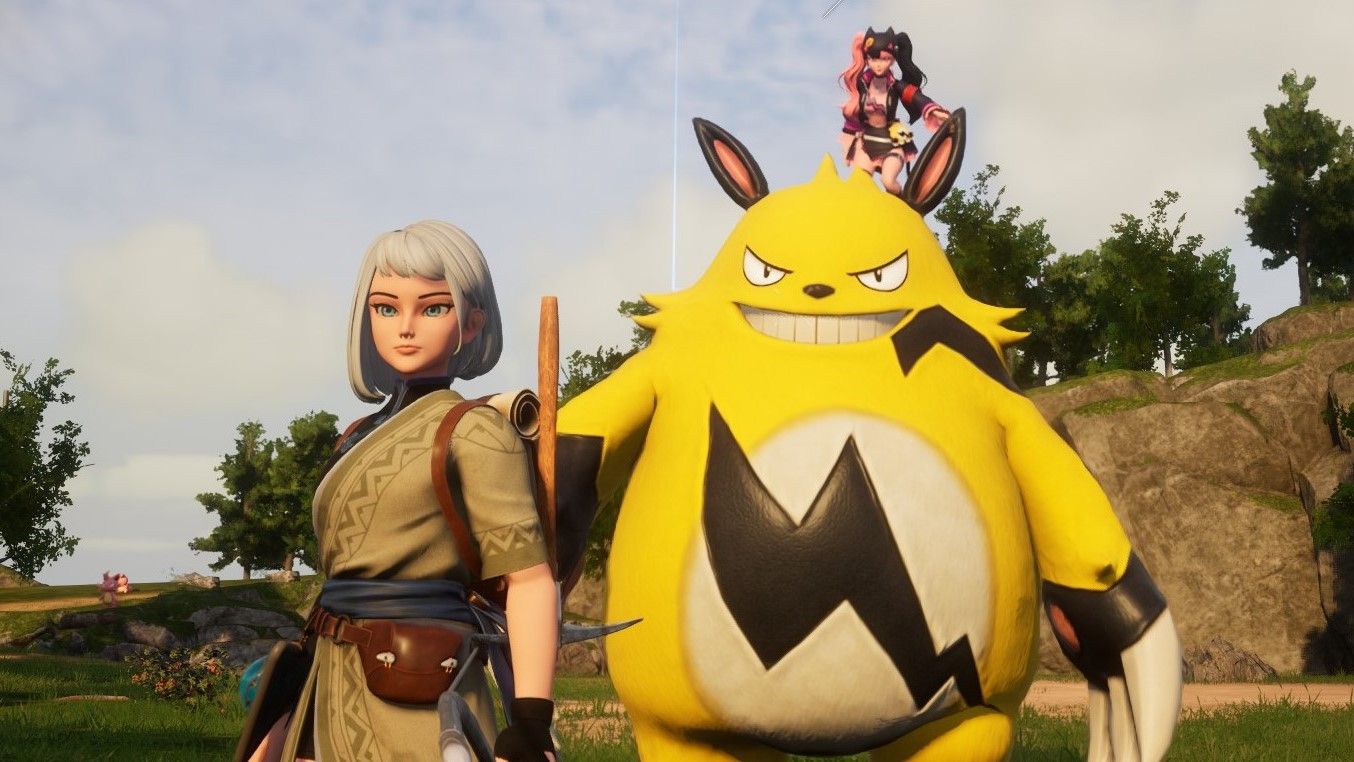
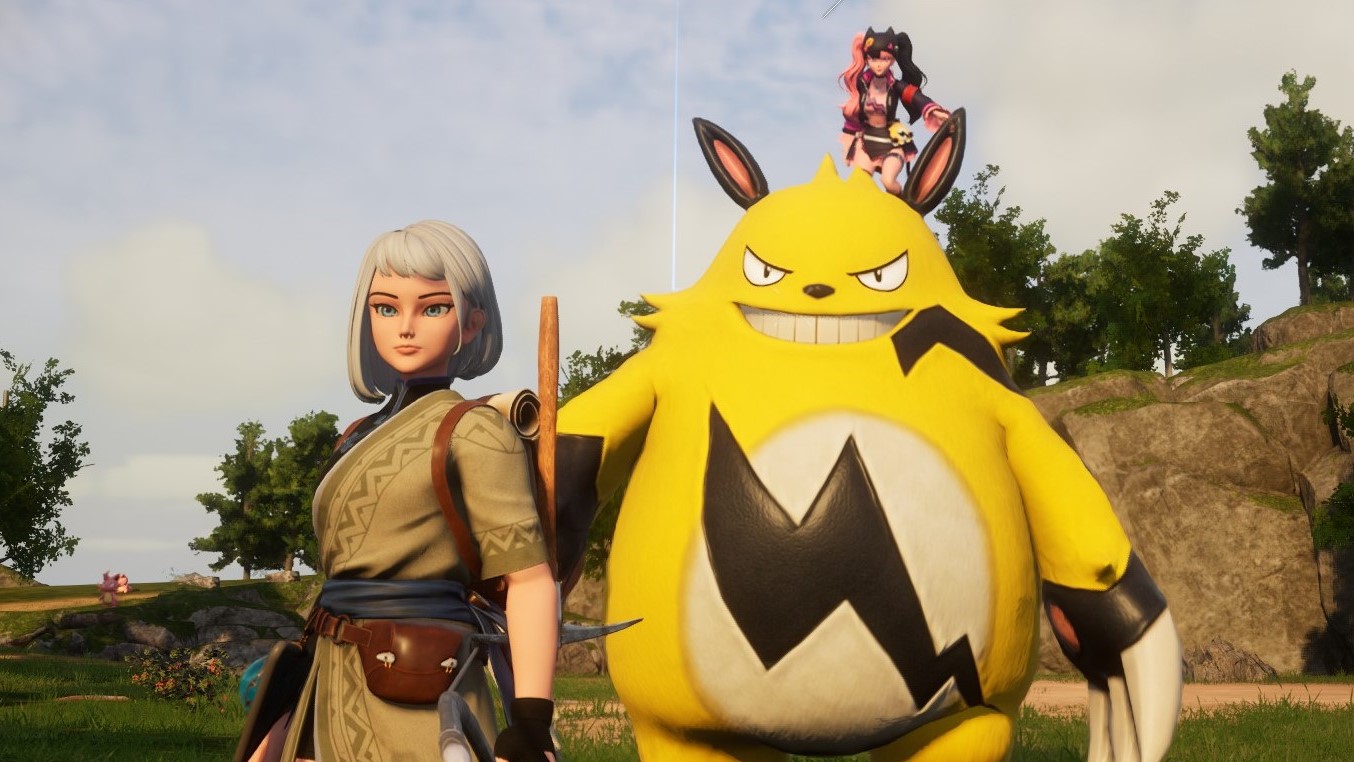
Early access on Steam is a simple concept. You buy a game before it's finished, provide bug reports and feedback to developers, and help shape a project's direction and ambitions. Everybody wins: You get to play the game early, and developers earn money that helps them continue and finish their work. It's been a boon for numerous notable games over the years, including Baldur's Gate 3 and Palworld.
In an interview with GamesRadar, though, Pocketpair communications and publishing chief John Buckley said that proposition is becoming increasingly difficult for developers, because the whole idea of early access has "lost its meaning. "
"Go back to the Steam Greenlight days, when Steam changed Greenlight to early access, there were a few years where it really was running and operating exactly the way I think Steam dreamed it," Buckley said.
"I think everyone knew what they were in for. The kind of people who were buying early access games knew what they were in for. They were the kind of gamers who want to be involved, they want to give feedback, they want to talk to devs. It was this really beautiful golden era. "
Now, though, the rise of what Buckley called "hyper-casual mobile culture, and hyper-casual gaming culture, and live service gaming culture" has eroded that understanding, and the accord between developer and gamer that rose from it: "The culture has changed and early access, essentially, has lost its meaning. People just buy an early access game like they buy a normal game and treat it like that's the game. "
There's no doubt some truth to that. Generally speaking, I subscribe to the principle that if a product is offered for sale, and people pay money for that product, they're well within their rights to expect that they're getting the product. But early access isn't quite so cut-and-dried: Steam Greenlight was a more cumbersome system, but it also clearly delineated between a work-in-progress and a final release, which early access releases often do not.
Dialed-in gamers, or those who are old enough to remember when beta testing was an actual phase of development rather than a promotional tool, may have a clearer idea of what to expect from early access games. But as gaming becomes more of a mainstream pastime it's reasonable to expect that an increasing percentage of the audience is going to neither know nor care about what early access: They just want to buy a game and play it.
"The biggest way it's abused now is just like, 'We'll release it now because we need money'," he said. "It's a way now to sidestep traditional funding means. It's almost become the new Kickstarter in some ways. Put out the build to get the money. "
I'm not entirely sold on the idea that "put out the build to get the money" really qualifies as abuse—it is, after all, the whole basis for the early access system. But it can lead to trouble if early access sales aren't enough to support continued development, or simply through mismanaged expectations. The best thing developers who release into early access can do to avoid potential headaches, Buckley said, is to be clear about what's happening and, as much as possible, keep people fully informed.
"All we can do is try to softly educate people. I think we do an okay job. I think we try to be quite transparent. 'Hey guys, the next update's a while away. It's not going to be content-heavy, it's going to be QOL-heavy. ' We try to balance it. "
Pocketpair has indeed taken that approach with its fans: Buckley recently warned his followers not to expect too much from Palworld's 1.1 patch, saying it's "not planning to spend a year making a massive update. "