
You could say the fictional Newfoundland village of Snooks Arm is "dying," but in truth, it's been dead for a while. Climate change and overfishing have slowly stripped away most of Snooks Arm's reasons to exist. There's nothing left to do here besides leave, but some of the locals don't want to go.

A few weeks before Below's release, we were given an advance look at its first two episodes before we sat down for a Zoom conversation with McKeown. Check out some of the highlights below.
Houses on the water

"For anyone who grew up in Newfoundland, that image of the house floating across the Atlantic Ocean is very familiar," McKeown says. "It was a big piece of the history of the last 75 years. The resettlement program still continues to this day.”
Should I stay or should I go
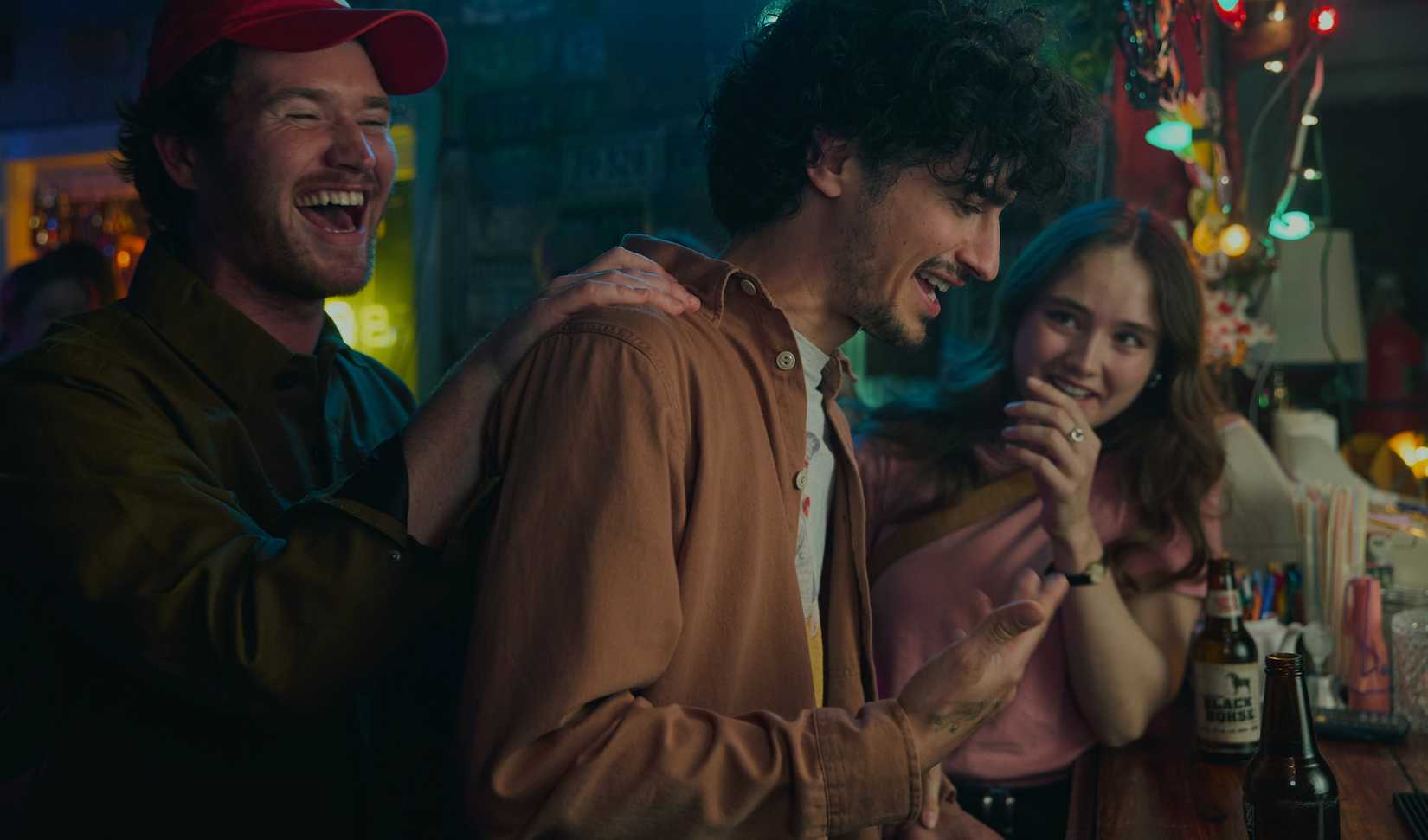
"There are lots of remote communities that are still grappling with the decision of whether to stay or leave," McKeown says. "Now it's very democratic. The town votes to stay or leave just like in the show, and a certain threshold of the town has to agree to it to be officially resettled by the government, but that wasn't always the case. "
"Back in the day, there was a lot more pressure. It was quite violent and coercive. It's a very difficult part of Newfoundland history, and a lot of people were affected by that. I wanted to open the show with that. "
There's more history going into Below than necessarily appears on the screen. It's set in a part of Newfoundland that was settled to take advantage of the cod fishing along the coast, with hundreds of little fishing villages built by English and Irish immigrants to feed what became an industry.
In the 1990s, overfishing led to a moratorium on cod, which wiped out an entire way of life almost overnight. Below is set in the aftermath of that, in one of these dozens of remaining villages on the Canadian coast that are just barely finding ways to hang on.

" I grew up on [movies] in the '70s and '80s that were a certain old-school handcrafted sort of genre movie that I love," McKeown says. "John Carpenter was the king of that, with movies like The Fog and The Thing. Those were a big influence when I was writing this. "
That having been said, if you're working on any kind of horror that's set on the east coast of North America, it's hard to avoid comparisons to H.P. Lovecraft. Below is particularly reminiscent of the same sort of seaborne horror that Lovecraft explored in stories like "Dagon" about unknown terrors that suddenly appear from the ocean's depths.
"I wanted to tap into that kind of cosmic folklore feeling," McKeown says. There's something in the air in Newfoundland, a kind of mystery. It feels like a haunted place in a lot of ways. "
"It's a family story too. I wanted the family stuff to feel just as potent as the horror. I always said that the stuff out on the water should feel just as dangerous as the stuff around the kitchen sink. I wanted [Below] to feel intimate in the same way as those British dramas that I watched on TV as a kid. I was trying to merge those things: Lovecraftian cosmic horror with that Carpenter thriller vibe, plus working-class British kitchen-sink feeling. "
Real monsters

"Everything that we could do practical, we did do practical," McKeown says. "That means shooting on location, shooting on real boats, using prosthetics, and all kinds of old-school Hollywood tricks. Of course, there is CGI as well, and we had a brilliant team at
What lurks beneath
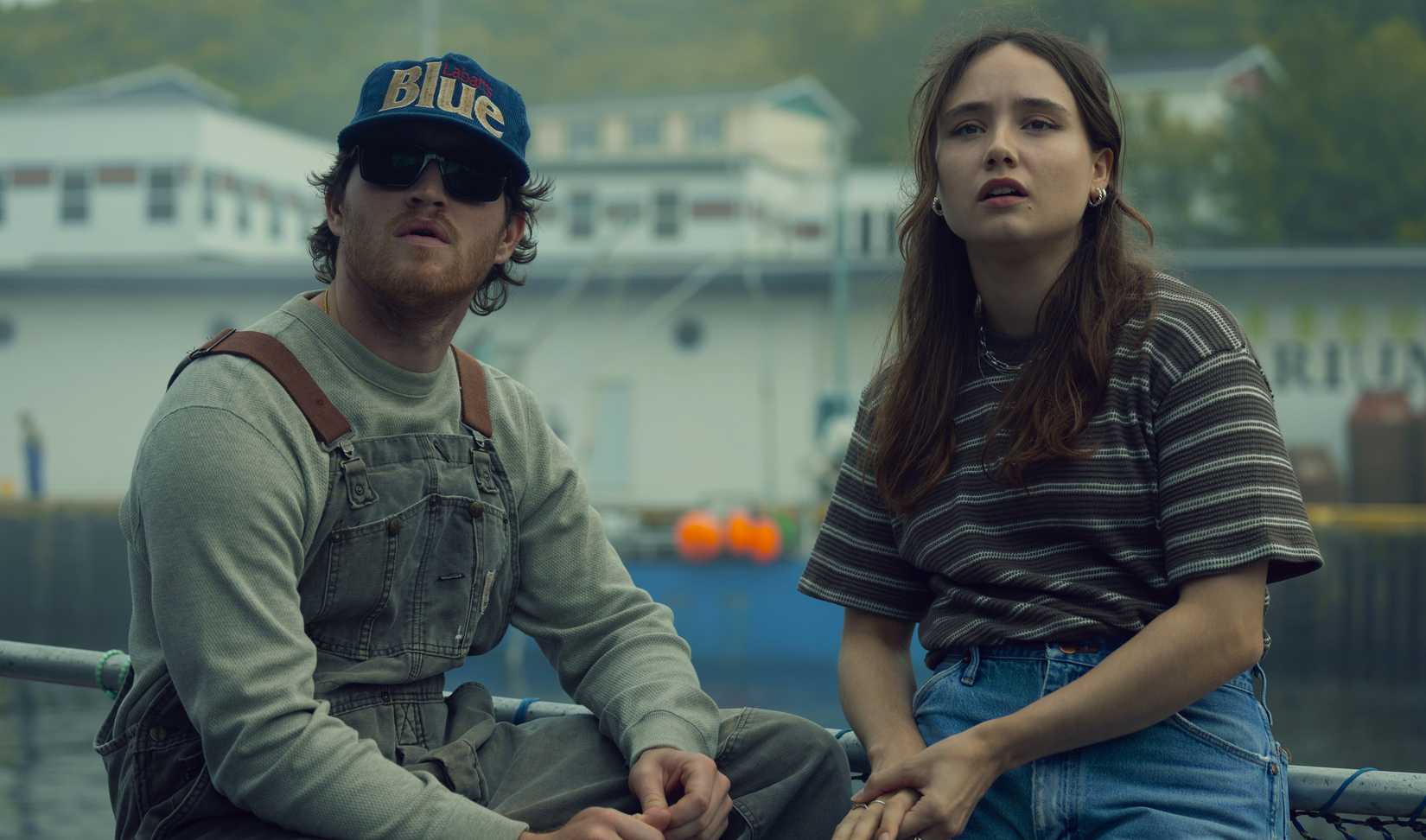
You still haven't seen Below's real monsters by the end of episode 2, but if you know your marine biology, you'll have a good idea of what's about to happen in Snooks Arm. There are plenty of clues onscreen even before one particular scene, which involves a wildlife camera and a couple of unfortunate Below airs on Netflix on Oct. 8.