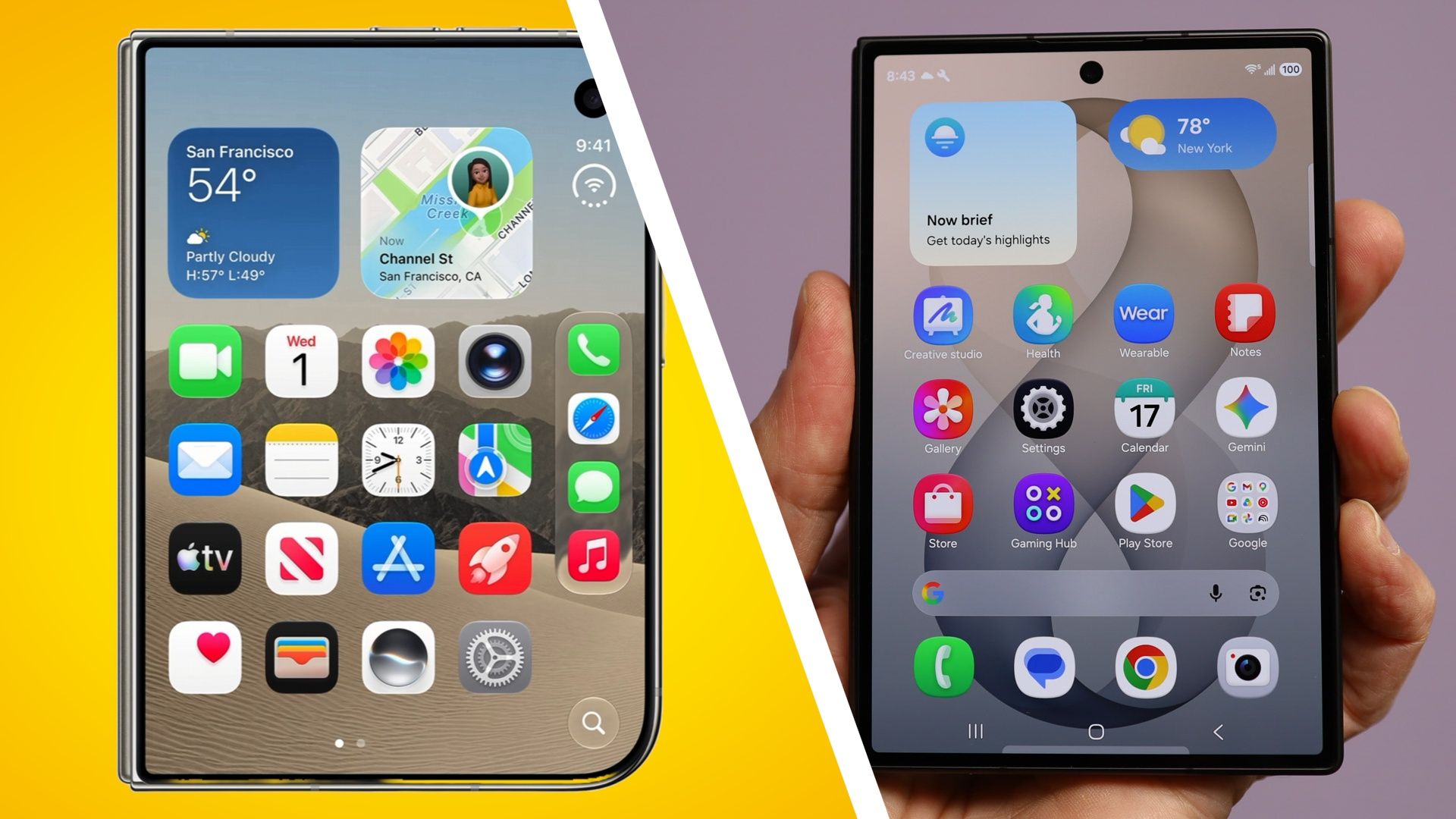
It took years, but Apple finally gave the world its first foldable phone — the iPhone Duo — at its Surprise and Shine event earlier this week. The Duo steps into a busy foldables market, with one particular model primed to give it a run for its money: the Samsung Galaxy Z Fold 8.
The Z Fold 8 is the latest in a long line of Galaxy foldables, and Apple's first foldable bears a number of similarities to Samsung's passport-shaped device. But for anyone considering investing in either the Z Fold 8 or iPhone Duo, there are a number of key differences to be aware of.
There’s still a month to go until iPhone Duo preorders open, and even longer until the device begins shipping (October 23). But still, there’s no time like the present to check out seven major areas in which the iPhone Duo and the Galaxy Z Fold 8 differ.
A dollar disparity
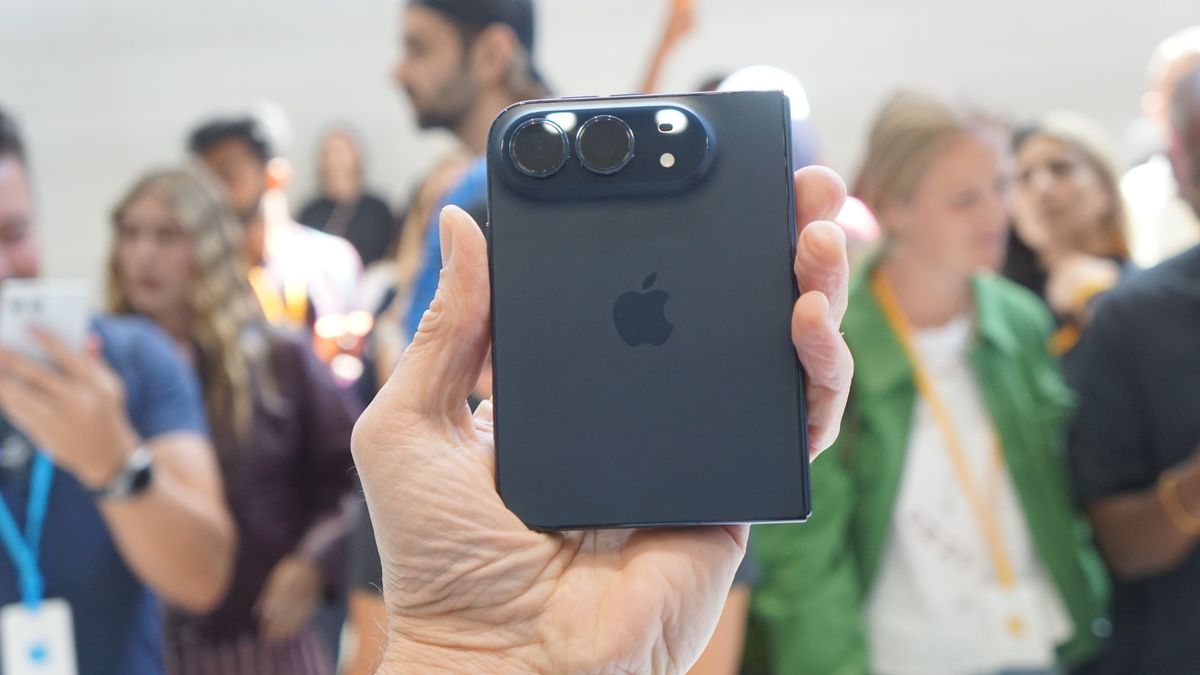
The iPhone Duo retails for $1,999 /£1,999 / AU$3,499, which is significantly more than the Galaxy Z Fold 8's $1,899 / £1,699 / AU$2,699 (at least in certain regions), with both phones starting with the same 256GB of storage. If you want the best deal on a wide foldable, Samsung has the clear advantage.
Diverging displays
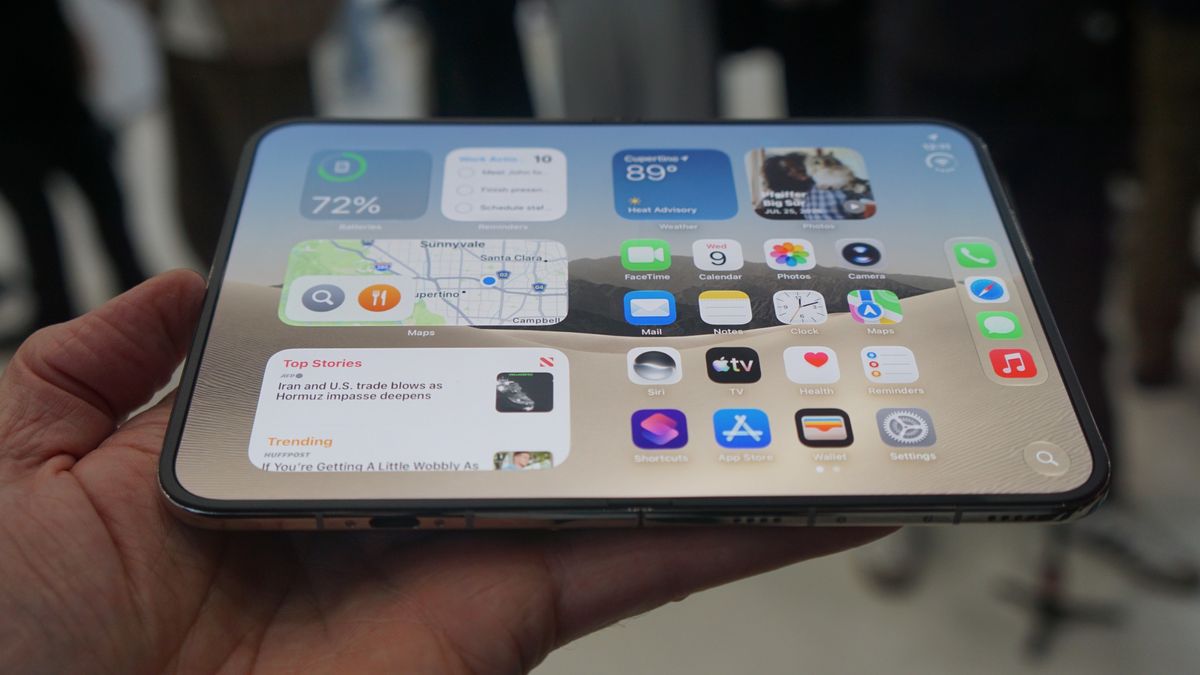
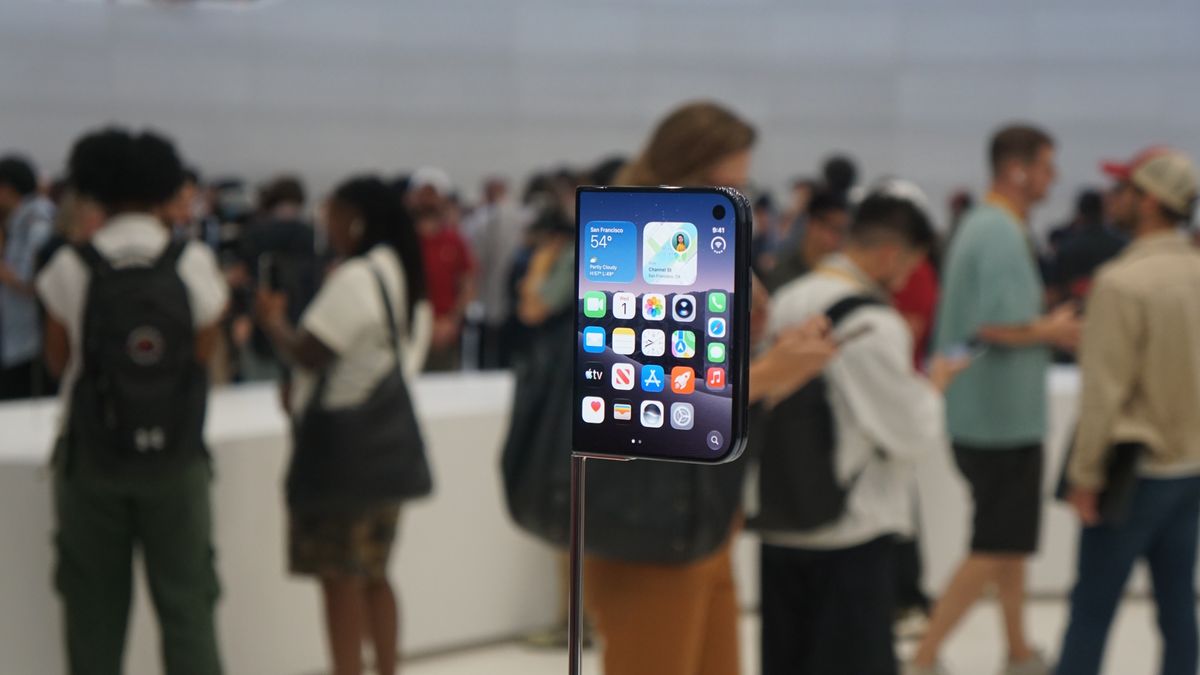
There’s also an interesting split in how Samsung and Apple have treated the material in their phones' screens. The iPhone Duo uses a matte-like nano-texture display instead of a glossier, anti-glare coating like the Galaxy Z Fold 8. Both materials serve the same purpose — to make the screen easier to read under bright light. But which one is better remains to be seen at this point.
Different designs and mismatching materials
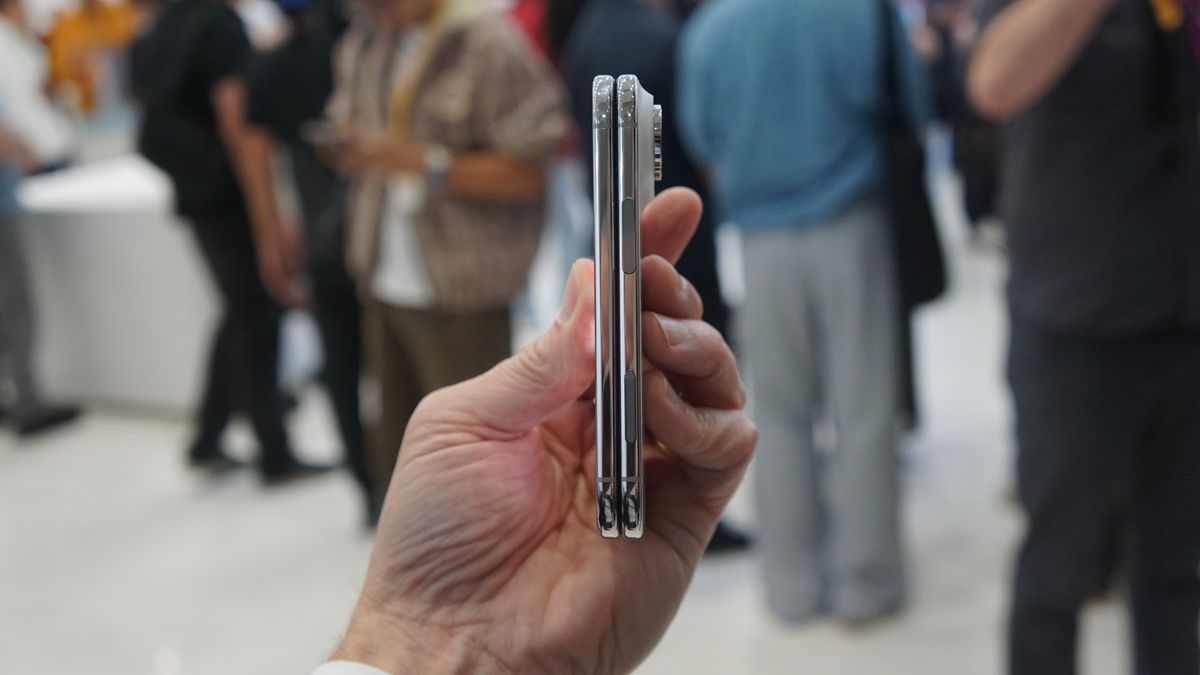
The iPhone Duo, for instance, has four rounded corners when open, but when closed, it has two right-angled corners on the hinge side. Samsung, by contrast, has gone with pointed corners all around on the Galaxy Z Fold 8, which arguably gives it a more cohesive look.
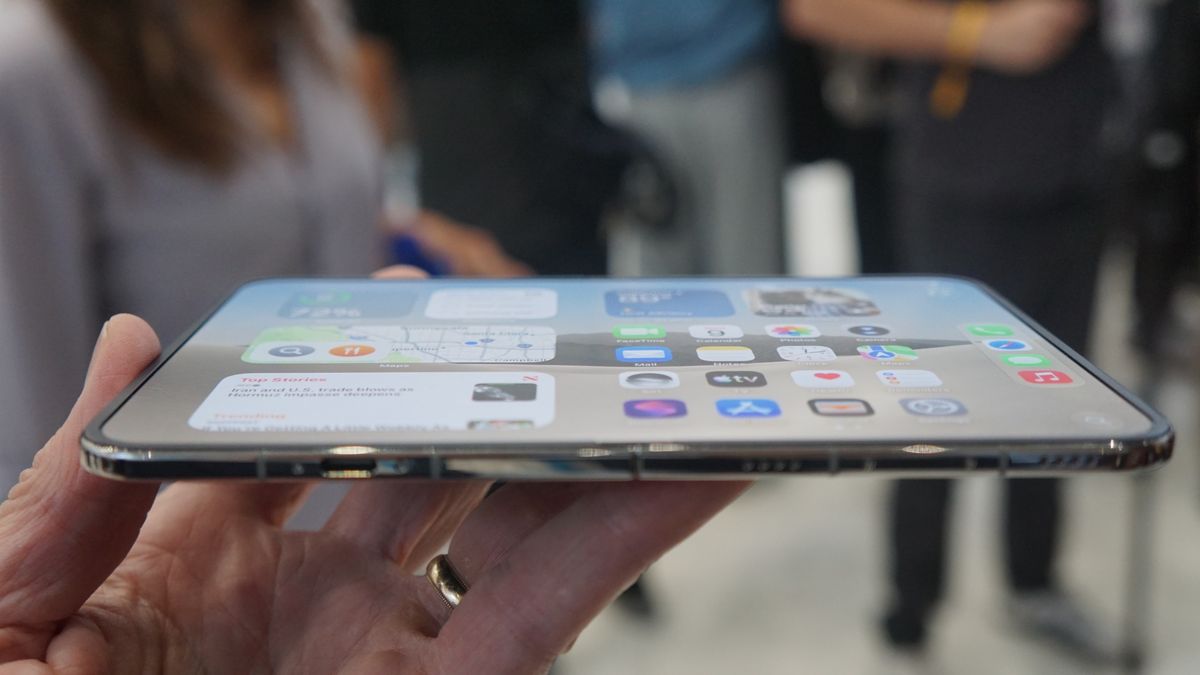
For side rail materials, it’s a case of polished titanium on the iPhone Duo versus matte aluminum on the Galaxy Z Fold 8. Both look great on their respective phones, but which finish is better will be up to the viewer.
These two phones also use different display materials to shore up their durability. Apple has equipped the Duo with its own Ceramic Shield 2 toughened glass on the front, and the original Ceramic Shield on the back. Samsung instead uses Gorilla Glass Ceramic 3 and Gorilla Glass Victus 2 to protect the Galaxy Z Fold 8’s front and back, respectively.
Apple has also equipped the iPhone Duo with the same Camera Control key that you find on other iPhones, making the edges of the phone surprisingly busy. Samsung lacks equivalents for these buttons on the Galaxy Z Fold 8, which simply offers a power button and volume controls.
Interestingly, the iPhone Duo is some 53g heavier than the Z Fold 8 (254g vs 201g), but it does offer IP68 water and dust resistance, while the Z Fold 8 only offers IP48-level protection.
The last thing to mention is color options. The iPhone Duo comes in either Star White or Night Sky (deep blue), while the Galaxy Z Fold 8 has a wider selection of Lavender, Graphite, Cream, and Pistachio.
SIM support split
You can easily convert a regular SIM into an eSIM during phone set-up. But unless you re-request a SIM card from your carrier, you’ll be locked into the eSIM way of life from then on.
Branching battery tech
Samsung’s testing promise for the Galaxy Z Fold 8 is 26 hours of video playback, which sounds like it’s inferior to Apple's on paper. However, without doing consistent battery testing on both phones, we don’t yet know for sure which phone will last longer in the real world.
For refuelling, Apple claims the iPhone Duo can charge up to 50% full in 20 mins with a compatible wired charger, or 30 minutes with a MagSafe or Qi2 wireless charger. Samsung’s claim is a 63% wired charge in 30 minutes, which doesn’t quite map onto Apple’s information either. This will also require some of our own testing to figure out which device charges faster.
Contrasting cameras
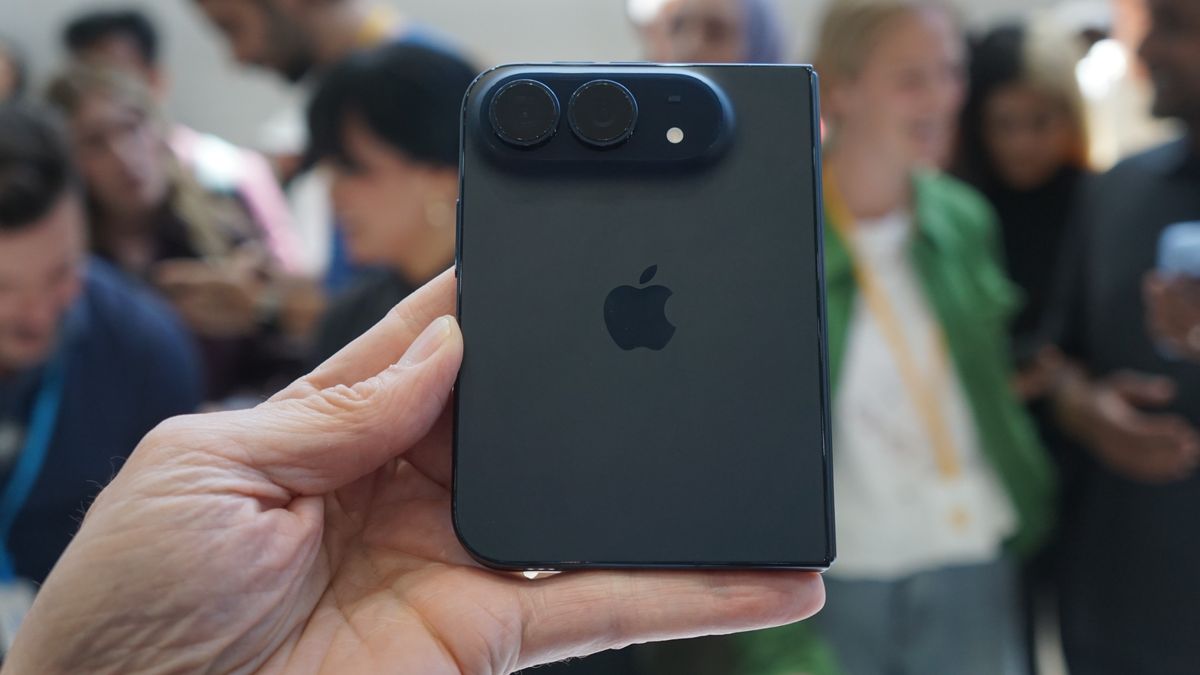
On the back of the iPhone Duo, Apple has stuck with its typical 48MP main and 48MP ultra-wide combination. That puts the Duo at a small resolution disadvantage compared to the Galaxy Z Fold 8, which boasts two rear 50MP cameras.
However, things change for front-facing cameras. Samsung uses 10MP front cameras on the inside and outside of the Z Fold 8, but Apple uses one higher-res 12MP front camera on the outer display, and an under-display inner camera of currently unknown resolution.
Samsung used to use this kind of camera on its older Galaxy Z Folds, but the Galaxy Z Fold 8 has a more typical punch-hole cutout, removing a bit of the display but guaranteeing higher-quality shots. Maybe Apple has worked out how to take clear, attractive photos through display layers, but it’s not something we’ve seen any other company manage, even after the technology has existed for several years.
Potentially polarized performance
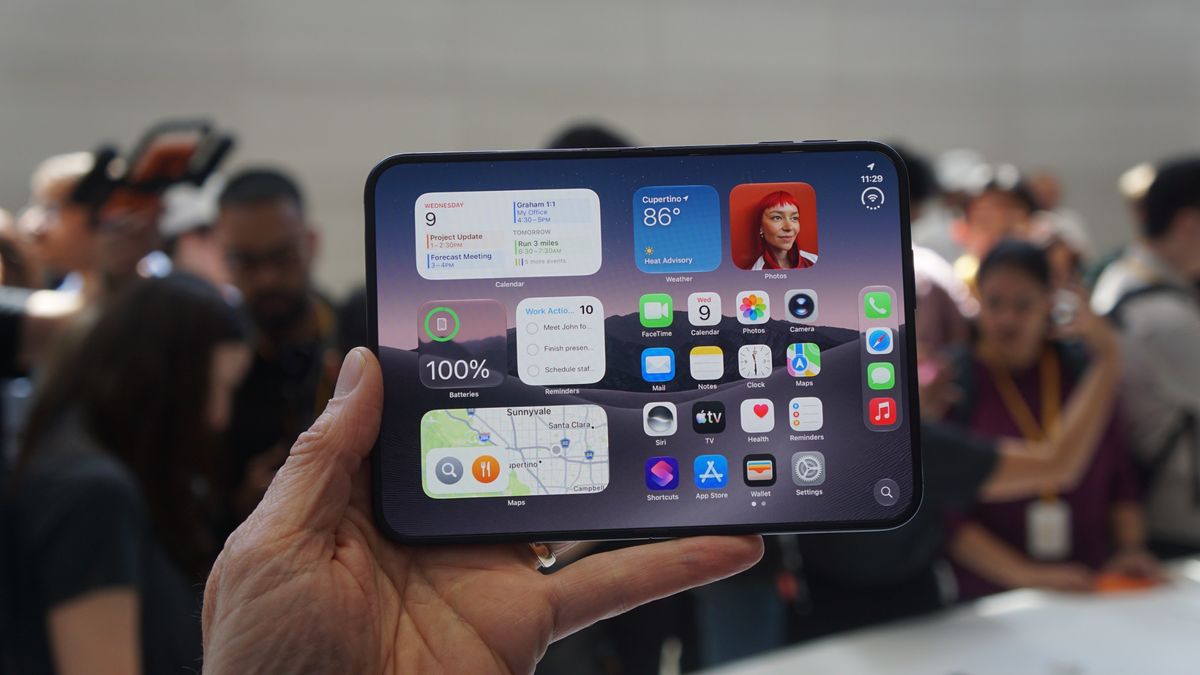
The iPhone Duo contains Apple’s brand-new A20 Pro chip. Since it’s fresh out of the foundry, we will have to wait for test results to know if it’s more powerful, less powerful, or about the same as the Snapdragon silicon in the Z Fold 8.
We don’t know if there’s any RAM capacity difference, but for storage, you can get 256GB, 512GB, and 1TB versions of both the iPhone Duo and the Samsung Galaxy Z Fold 8. However, Apple also offers a 2TB edition of the iPhone Duo if you want even more space for your files.
Based on these differences, would you rather buy the iPhone Duo or Samsung Galaxy Z Fold 8? Let us know in the comments below.
