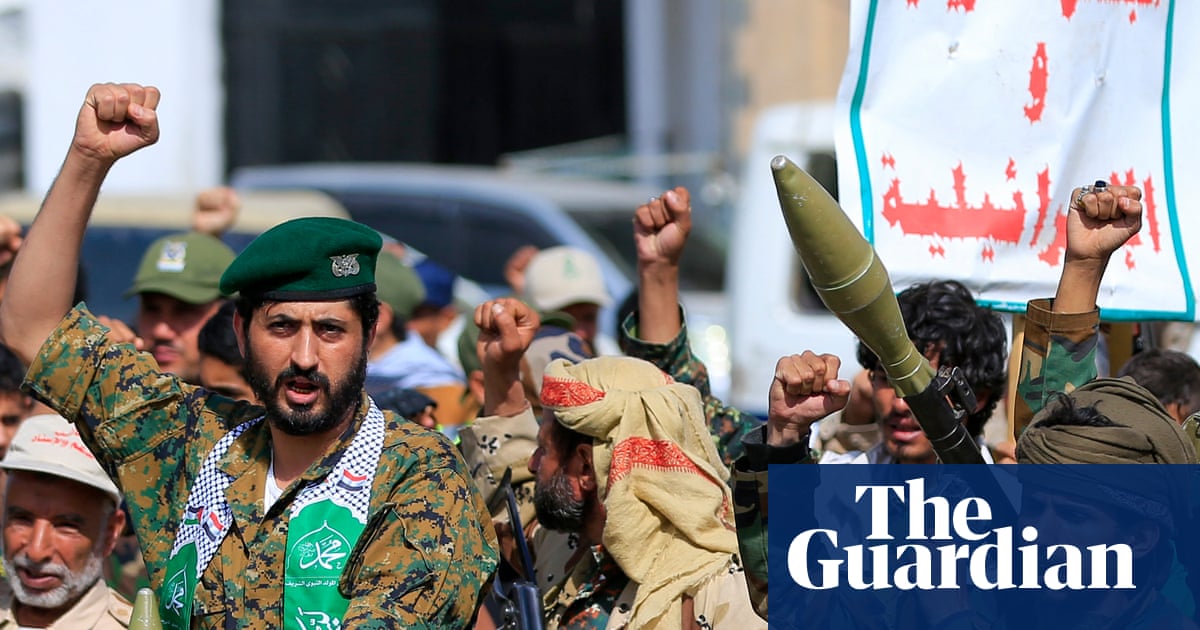
Seizure of the coast would be a strategic disaster for Saudi Arabia and the US, taking Iran and its proxies closer to full control of two chokepoints for western shipping on opposite sides of the Arabian peninsular: the Bab al-Mandeb at the southern end of the Red Sea and the strait of Hormuz in the Gulf.
Observers have said a reduction in hostilities – the most intense since the UN-sponsored ceasefire of April 2022 put an end to major military exchanges – now seems unlikely in what is seen as a attempt by the Houthis to open a second front in the Iran-US war, alongside the battle for control of Hormuz.
The Royal United Services Institute (Rusi), a London-based defence and security thinktank, said the situation in Yemen was spiralling out of control, adding that the UN-recognised Yemeni government was opening new fronts against the Houthis in the hope it could put more pressure on the rebels than they could withstand.
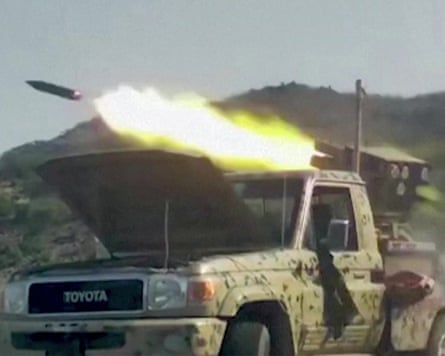
By taking control of more of the Red Sea coast south of the port of Hodeidah, the Houthis aim is to put pressure on Saudi Arabia and the US to agree a deal that lifts the US blockade on Iranian oil tankers in the Gulf. Donald Trump on Wednesday acknowledged he did not expect the war with Iran to end before the US midterm elections at the start of November.
The latest phase in the escalation began when Houthis attacked energy installations and southern cities in Saudi Arabia using drones and ballistic missiles leading to the kingdom’s military forces launching at least 15 strikes between 3 and 7 September in response.
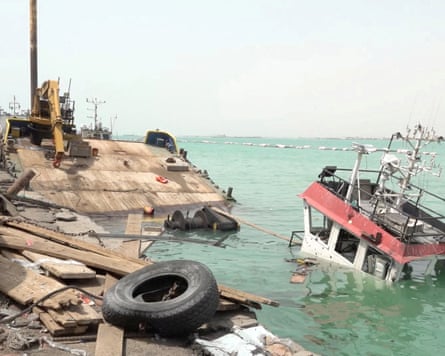
The commander of the Yemeni government forces, Maj Gen Tareq Saleh, admitted he had organised a strategic retreat south of Mocha in order to regroup in a secure location. “The armed forces in the western coast paid a heavy price – martyrs and wounded – over the past days as they confronted the Houthi attack planned by Iran, and supported by it,” he said.
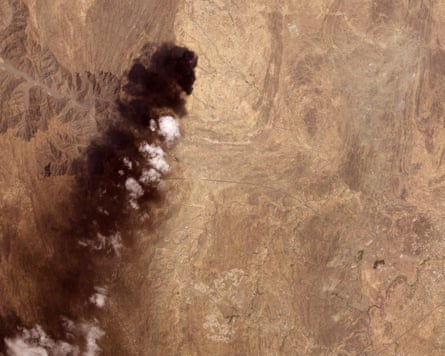
The clashes have ranged across Yemen including Ad Dali, al-Bayda, Marib, Shabwah, al-Jawf, Hodeidah, and Taiz. In the initial days of the renewed conflict the Houthis found themselves being forced back in some areas as battles on multiple fronts over-stretched their resources and fighter numbers.
The Houthis will be hoping political divisions inside the Yemeni government, reflected in a lack of an integrated military, will slowly give them the upper hand. The United Arab Emirates, previously a powerful player in southern Yemen where it backed the separatist forces of the Southern Transitional Council, withdrew its financial and military support at the turn of the year. The southern forces have refused to fight outside their own region.
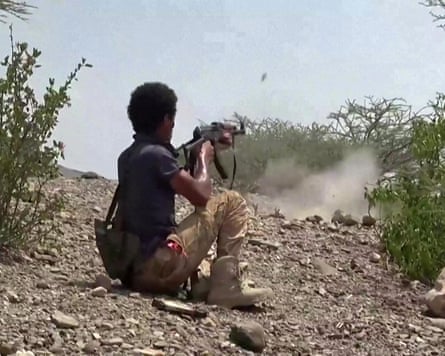
He added: “Fighting will remain focused on the fronts of the Red Sea coast in Hodeidah and Taiz, where both the Houthis and the Saudi Arabia-Yemen government have a vested interest in claiming the whole territory to deprive the other side of effective control of the strait of Bab al-Mandab.”
The fighting has contributed to the price of oil rising above $100 a barrel after weeks when it was trading closer to $80.
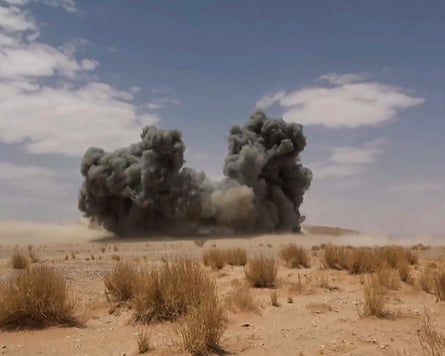
The Saudis instead bombed the runway, leading the Houthis to announce a Red Sea naval blockade of Saudi Arabia in what the Yemeni rebels described as a blockade for a blockade. The 20 July announcement of the blockade was followed by a strike on Saudi’s Jazan refinery on 25 July and on a tanker off Yanbu on 24 August.
Saudi Arabia has become reliant on the Red Sea route for trade after Iran throttled shipping through the strait of Hormuz.
